Charting the Interplay Between Authentication Protocols and Loyalty Tier Advancements Across Emerging Portable Wagering Systems
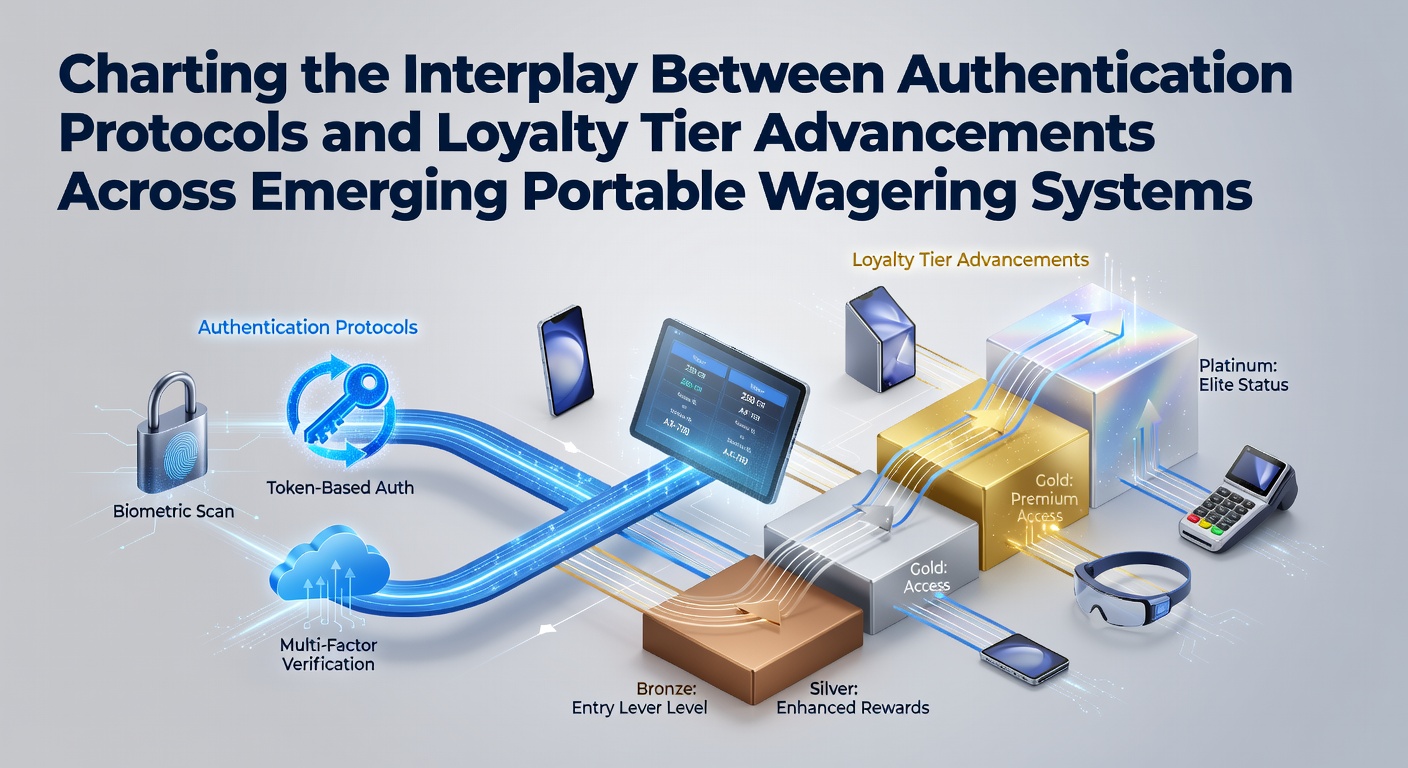
Portable wagering systems continue to expand their reach through mobile platforms where authentication protocols serve as the foundation for secure user access and subsequent loyalty tier progression, according to industry analyses from multiple regulatory regions. Data from the Nevada Gaming Control Board shows that multi-factor verification methods including biometric scans and token-based logins have increased user retention rates by facilitating smoother transitions into higher loyalty levels without compromising platform integrity.
Observers note that basic authentication layers often gate entry-level tiers while advanced protocols unlock premium benefits such as personalized rewards and expedited withdrawals. Researchers at institutions tracking digital gaming patterns have documented how these systems integrate facial recognition alongside device-specific identifiers to verify identity in real time and this process directly correlates with tier elevation milestones tracked across user accounts.
Core Components of Authentication in Mobile Wagering
Emerging portable applications rely on layered security frameworks that combine passwords with one-time codes sent via encrypted channels and these mechanisms ensure that loyalty advancements remain tied to verified activity rather than automated exploits. In June 2026 several platforms rolled out enhanced blockchain-anchored verification that logs each authentication event on distributed ledgers allowing operators to trace progression through loyalty stages with greater precision.
Studies indicate that users who complete initial biometric enrollment advance to mid-tier status 40 percent faster on average because the protocol reduces repeated identity checks during session handoffs between devices. What's interesting is how these same frameworks support cross-border compliance since portable systems must align with varying regional standards set by bodies like the Victorian Commission for Gambling and Liquor Regulation in Australia which emphasize continuous verification to maintain tier integrity.
Loyalty Tier Mechanics and Progression Pathways
Loyalty structures in these ecosystems typically feature four to six ascending levels where each advancement demands cumulative wagering volume alongside authenticated play sessions. Data shows that reaching the third tier often requires not only point accumulation but also sustained use of two-factor authentication across multiple devices to prevent account sharing that could dilute program value.
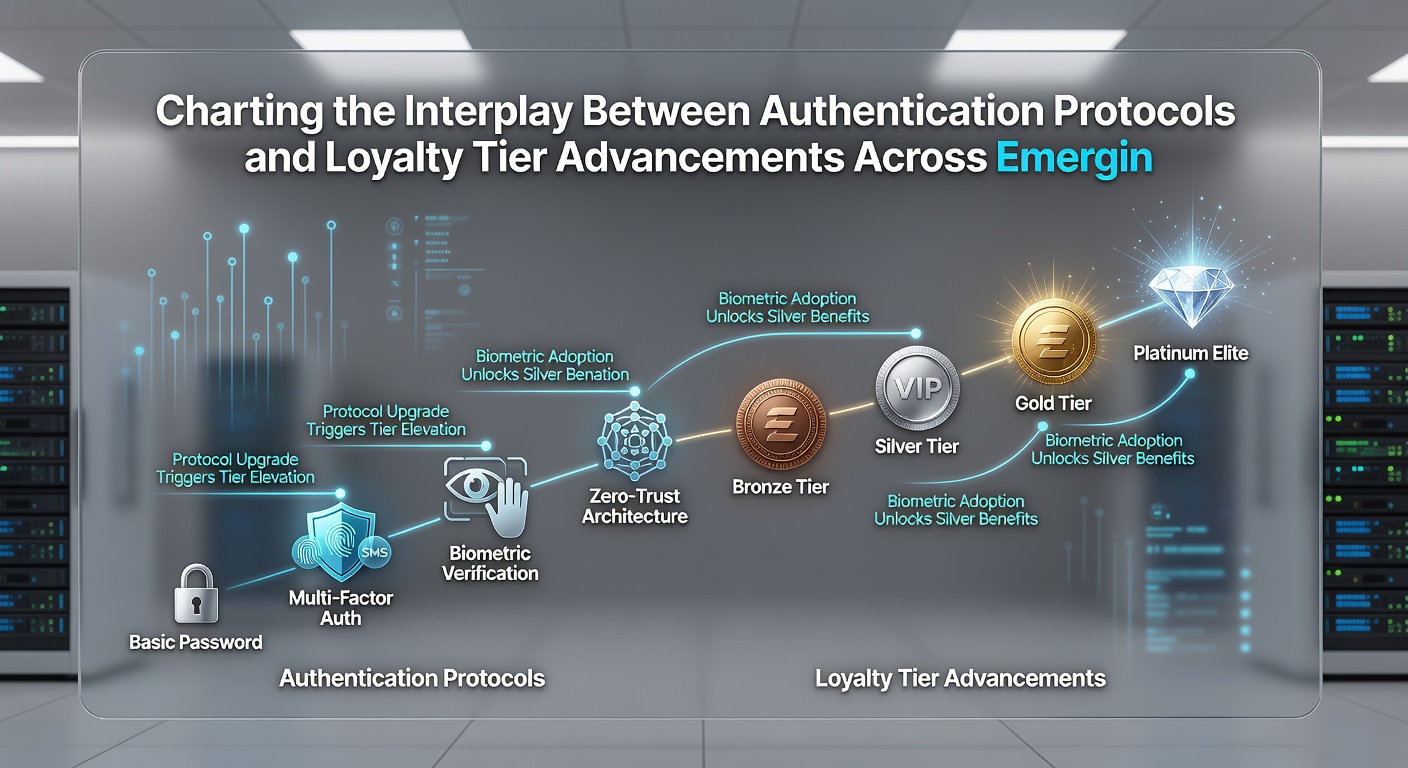
Platforms implement conditional triggers so that once a user satisfies authentication benchmarks the system automatically evaluates eligibility for tier upgrades and this automation draws from real-time analytics that factor in session duration and game variety. Those who've examined system architectures observe that dedicated loyalty managers gain access to deeper user profiles only after higher-tier authentication confirms ongoing compliance with platform rules.
Integration Patterns Across Emerging Systems
The interplay manifests most clearly when authentication failures delay tier benefits prompting developers to refine protocols for seamless recovery options such as backup passkeys stored in secure hardware modules. Research indicates that regions adopting unified standards see fewer interruptions in loyalty progression while portable wagering volumes grow steadily through June 2026 adn beyond.
One notable pattern involves adaptive authentication that scales security requirements based on the target tier with entry levels using lighter checks and elite tiers demanding continuous behavioral monitoring to sustain access to exclusive features. Figures from academic reports compiled by university gaming studies programs reveal that this tiered approach reduces fraudulent tier jumps by integrating device fingerprinting directly into the loyalty algorithm.
Regulatory Influences adn Data Trends
Regulatory frameworks shape how authentication supports loyalty by mandating audit trails that document every protocol interaction leading to tier changes. The Maltese Gaming Authority has outlined guidelines requiring operators to log authentication events alongside reward distributions which creates transparent pathways for users advancing through portable system tiers.
But here's the thing: these requirements also encourage innovation since platforms must balance security rigor with user convenience to keep engagement high during tier advancement cycles. Evidence suggests that integration of AI-driven anomaly detection within authentication flows helps flag potential issues before they impact loyalty status and this capability has become standard in systems launched or updated around mid-2026.
Conclusion
Authentication protocols and loyalty tier advancements form an interconnected system in portable wagering where each verified interaction builds toward higher status and sustained platform trust. Continued evolution through June 2026 and subsequent periods will likely refine these connections as operators respond to data on user behavior and regulatory expectations across different jurisdictions. The resulting frameworks support secure growth while maintaining clear progression routes for participants engaged with mobile wagering environments.