Deciphering How Geolocation Tools Shape Access Patterns to Exclusive Game Libraries in Borderless Digital Wagering Networks
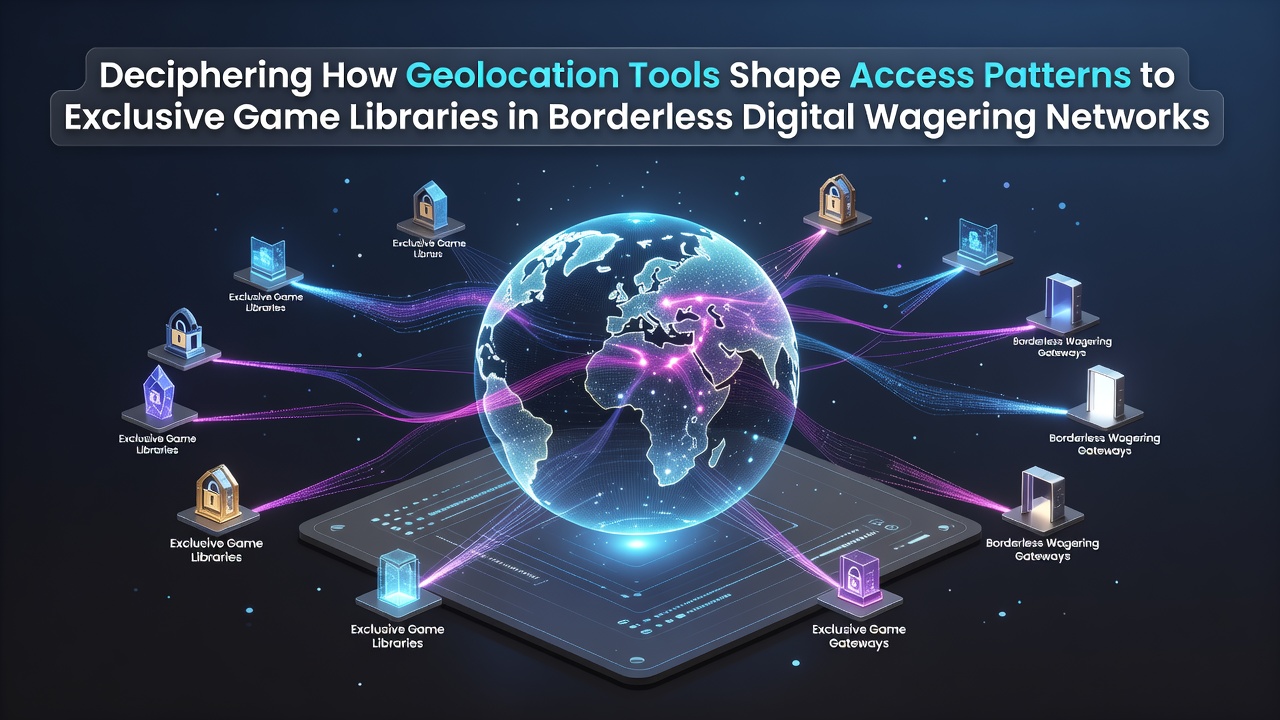 Geolocation tools have become central to how operators manage player entry into region-specific game collections within online wagering platforms that span multiple jurisdictions. These systems rely on IP address mapping, GPS coordinates, and device fingerprinting to verify location before granting access to curated libraries that often include titles licensed only for certain markets. Operators deploy these mechanisms to comply with licensing agreements that restrict game distribution based on local regulations. Data from regulatory filings shows that platforms serving cross-border audiences adjust their catalogs dynamically as users move between detection zones, which creates distinct access patterns tied directly to geographic signals.
Mechanics Behind Location Verification Systems
Geolocation begins with IP database cross-references that assign approximate coordinates to incoming connections, then layers additional checks such as Wi-Fi network analysis and SIM card positioning on mobile devices. When discrepancies arise, the system may trigger secondary authentication steps like one-time codes sent to verified regional phone numbers. This process filters traffic before any game server connection occurs, so exclusive titles remain visible only to users whose signals match approved territories.
Research from academic institutions tracking digital access logs indicates that VPN usage spikes in regions with limited local libraries, yet many operators now detect common VPN endpoints and redirect those sessions or block them outright. The result is a layered access map where players in one country see premium slot collections or live dealer variants unavailable elsewhere, even on the same platform account.
Patterns Emerging from Exclusive Library Restrictions
Exclusive game libraries often feature branded content or progressive jackpot networks tied to specific licensing deals. Geolocation enforcement means a player in one jurisdiction might encounter 40 percent more titles than someone logging in from a neighboring area during the same session window. Figures released in mid-2026 by industry monitoring groups reveal that session drop-off rates increase sharply when users encounter blocked content, prompting operators to offer alternative regional libraries rather than full catalog access.
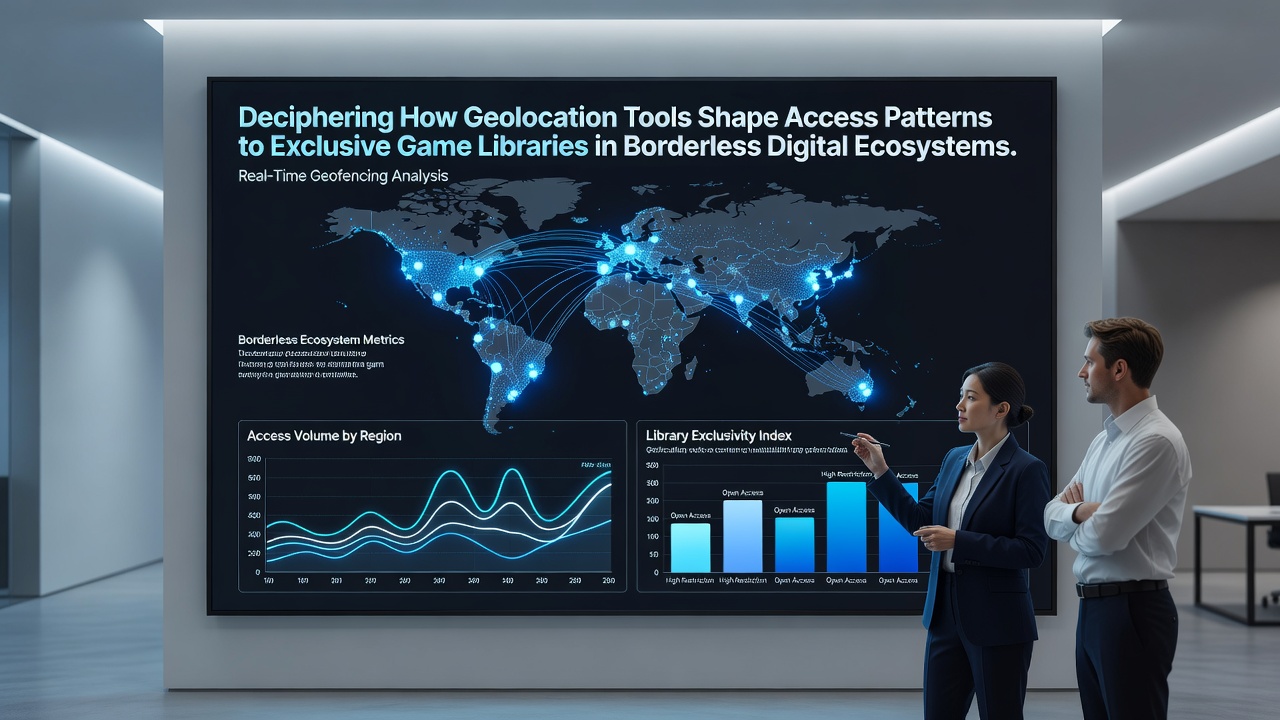
Borderless networks attempt to smooth these transitions by maintaining multiple mirrored servers that activate based on detected location. Yet synchronization delays sometimes occur, leaving temporary gaps where a title appears briefly before the geolocation filter removes it. Observers note that these brief windows generate measurable spikes in preview clicks followed by rapid exits once the correct regional catalog loads.
Regulatory Influences on Tool Deployment
Government agencies across different continents set varying requirements for location accuracy. The Nevada Gaming Control Board specifies sub-kilometer precision for certain license categories, while the Australian Communications and Media Authority focuses on broader state-level verification for its market. These standards push operators to adopt hybrid solutions combining satellite data with network triangulation, raising the technical bar for smaller platforms attempting to serve international audiences.
Partnerships between technology providers and wagering companies have produced updated detection algorithms rolled out around July 2026 that incorporate machine learning models trained on historical access attempts. These models flag anomalous patterns such as rapid location jumps that suggest proxy routing, allowing preemptive blocks before a player reaches the game selection screen.
Effects on Player Behavior and Platform Metrics
Access patterns shift noticeably when geolocation rules tighten. Players frequently switch devices or networks to test boundaries, creating data trails that operators analyze for compliance and marketing purposes. Reports compiled by European gaming associations show that users who encounter repeated blocks tend to consolidate activity on platforms with broader approved regions rather than maintaining multiple accounts across fragmented services.
Exclusive libraries also influence retention because certain progressive games or tournament formats appear only in designated zones. When geolocation tools correctly route a player into the right segment, engagement metrics rise, yet mismatches trigger support tickets and account reviews that consume operational resources. The interplay between these tools and library design continues to define how borderless networks allocate content without violating territorial agreements.
Conclusion
Geolocation systems remain the primary gatekeepers separating exclusive game collections within networks that otherwise operate without physical borders. Their ongoing refinement, driven by regulatory demands and technical advances, determines which players reach which titles at any given moment. As detection methods evolve alongside international licensing frameworks, the resulting access patterns will continue to reflect both the capabilities of location technology and the legal boundaries that shape digital wagering worldwide.