Decoding the Influence of Regional Licensing Variations on Mobile Interface Customization for Slot Players
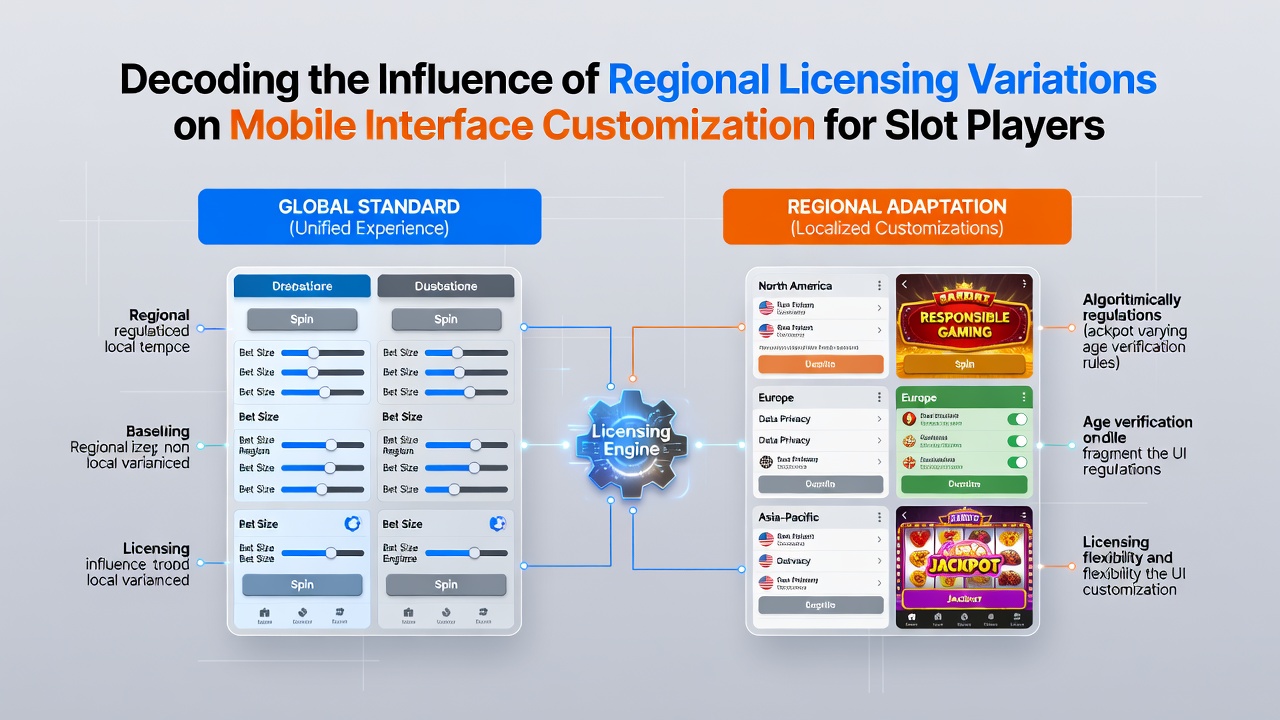
Regional licensing rules shape how mobile slot interfaces appear and function because regulators impose distinct requirements on user interface elements, player protection features, and customization flexibility. Operators must adjust button sizes, color palettes, animation speeds, and information displays to meet compliance standards that differ sharply across jurisdictions, and these adjustments directly affect how players interact with reels and bonus rounds on smartphones and tablets.
North American Regulatory Approaches and Interface Adjustments
State-level licensing in the United States creates noticeable differences in mobile slot design. New Jersey's Division of Gaming Enforcement mandates prominent responsible gaming tools and clear payout tables within the first screen view, which leads developers to fix certain menu positions and limit background animation options while still allowing color scheme variations that match brand identities. Data from the New Jersey Division of Gaming Enforcement shows that operators updated mobile layouts in early 2026 to incorporate larger touch targets and persistent session timers after revised technical standards took effect.
Canadian provinces apply their own sets of rules that further fragment interface possibilities. Ontario's iGaming framework requires age verification prompts at launch and restricts autoplay settings, prompting studios to embed these controls into the main reel screen rather than hiding them in submenus. Meanwhile, British Columbia's approach permits more latitude in visual customization yet still enforces strict transaction history visibility, resulting in hybrid layouts that combine regional mandates with operator preferences.
European and Asian Licensing Patterns
Across Europe, licensing bodies enforce varying degrees of interface standardization. Malta's framework emphasizes transparent win animations and immediate access to game rules, which encourages developers to prioritize scrollable help sections on smaller screens while allowing extensive theme personalization. In contrast, certain Eastern European jurisdictions focus on currency display formats and language toggles that must appear within two taps, reducing the space available for decorative elements around the reels.
Asian markets introduce additional layers of variation. Singapore's regulatory environment demands strict limits on visual effects during bonus triggers to prevent perceived inducement, leading to simplified particle animations on mobile devices, whereas other regional licenses allow richer graphical layers provided that spending caps remain visible at all times. Observers note that these differences prompt global studios to maintain multiple code branches for the same slot title, each calibrated to local display requirements.
Impact on Player Engagement Metrics
Research from the University of Nevada's International Gaming Institute indicates that interface modifications driven by licensing can alter session length and feature interaction rates. When mandatory timers or verification steps occupy prime screen real estate, players encounter fewer spontaneous bonus triggers per minute, yet the same constraints sometimes increase perceived transparency and extend overall play duration because trust signals remain constantly accessible.
Those who have analyzed aggregated telemetry from licensed operators report that color and animation restrictions correlate with changes in reel-stop timing preferences. In markets where subdued visual effects are required, slot titles that rely on subtle sound cues rather than flashy graphics maintain higher retention figures, while markets allowing greater graphical freedom see stronger performance from titles with dynamic lighting and particle systems.
Technical Implementation Challenges for Developers
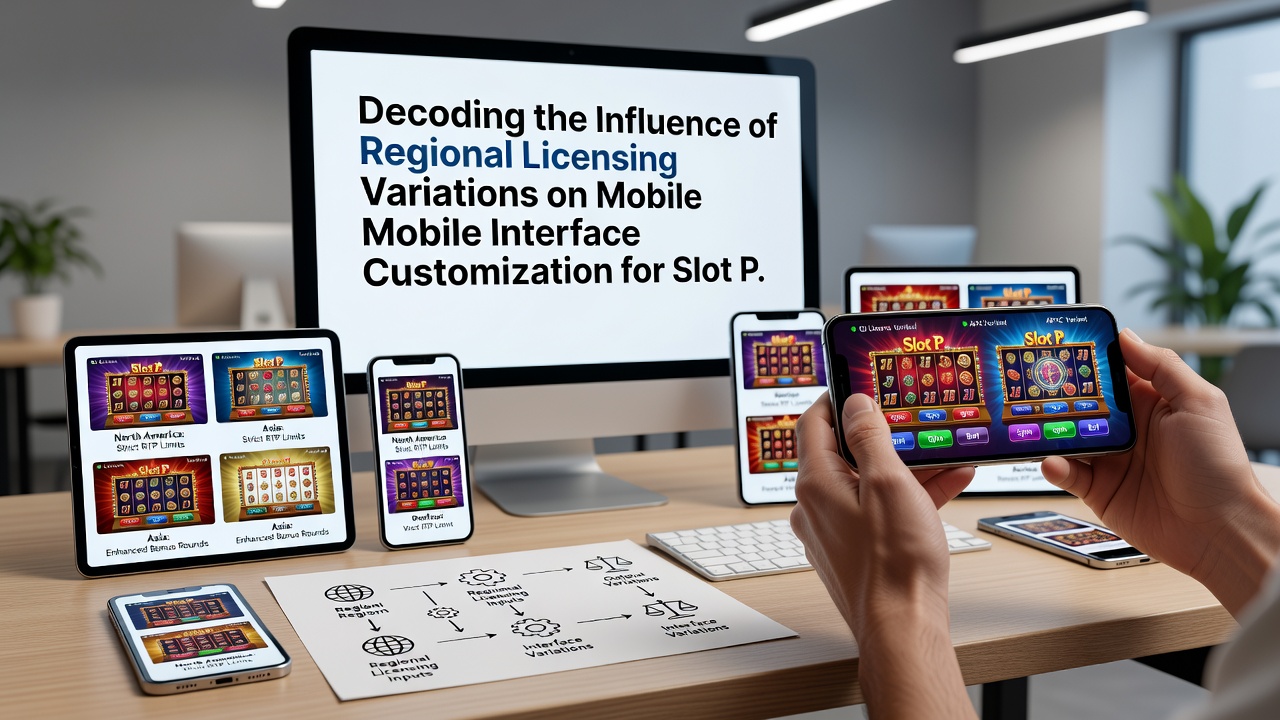
Developers maintain separate asset pipelines and configuration files to accommodate these licensing differences. A single slot game may ship with half a dozen mobile layout variants, each containing region-specific button hierarchies, font sizes, and information panel arrangements. Automated testing suites now include compliance checks that flag when a layout violates spacing rules or hides required controls behind additional taps.
Updates scheduled for July 2026 in several North American and European jurisdictions will introduce new accessibility standards that further influence customization options. These forthcoming rules require dynamic text scaling and high-contrast modes that operators must integrate without disrupting existing reel mechanics or bonus flow sequences.
Future Outlook for Mobile Slot Customization
Industry reports suggest continued divergence rather than convergence in licensing expectations, particularly as more jurisdictions introduce dedicated mobile gaming regulations. Operators respond by investing in modular interface frameworks that allow rapid reconfiguration of visual and functional elements when entering new markets or when existing rules receive updates.
Conclusion
Regional licensing variations continue to dictate the precise ways mobile slot interfaces can be customized, from fixed menu placements and animation limits to mandatory information displays. These constraints create a patchwork of design standards that developers navigate through multiple code versions and ongoing compliance monitoring, while players experience different visual and interactive environments depending on the jurisdiction in which they access the games.