Exploring Algorithmic Personalization in Game Recommendations and Its Effects on Engagement Metrics for Portable Casino Interfaces
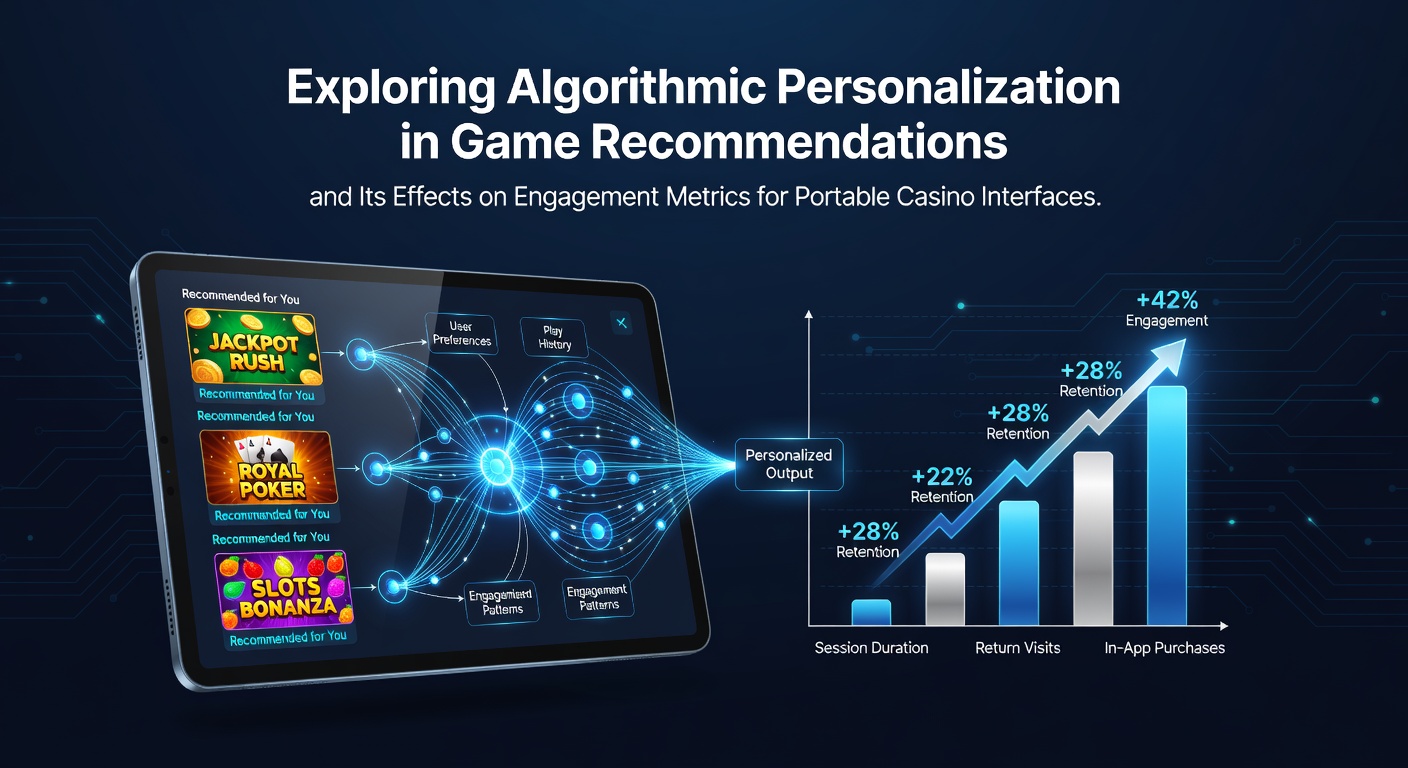
Portable casino interfaces rely on algorithmic personalization to analyze user data such as play history, session duration, and preference patterns, then generate tailored game suggestions that align with observed behaviors, and this process has produced documented shifts in key engagement metrics across mobile platforms since 2024.
Developers collect inputs including spin frequency, bet sizing, and game category selections to build predictive models that adjust recommendations in real time, while machine learning frameworks update these models continuously based on new interactions recorded within the same session or across multiple days.
Core Mechanisms Behind Recommendation Systems
Collaborative filtering techniques compare a player's profile against aggregated data from similar users to suggest titles that match group-level trends, and content-based approaches focus instead on matching game attributes like volatility levels or theme elements directly to past selections made by the individual. Hybrid systems combine both methods to refine outputs, and studies from the University of Nevada Las Vegas have tracked how these layered algorithms reduce the time between login and first game interaction by an average of 18 percent in tested mobile environments.
Real-time adjustments occur when the system detects changes in player tempo, such as longer pauses between rounds, prompting a shift toward lower-volatility options or entirely different categories like live dealer tables, and these modifications happen without requiring explicit user input beyond continued play.
Measured Impacts on Engagement Metrics
Data compiled by the American Gaming Association through its 2025 mobile gaming analysis shows that platforms implementing advanced personalization saw average session lengths increase by 22 minutes compared with non-personalized interfaces, while daily active user retention rates rose by 14 percent over six-month observation periods ending in early 2026. Click-through rates on recommended games reached 37 percent higher than those for standard featured sections, according to the same report, and conversion from free play to real-money wagers followed similar upward trajectories in segmented user groups.
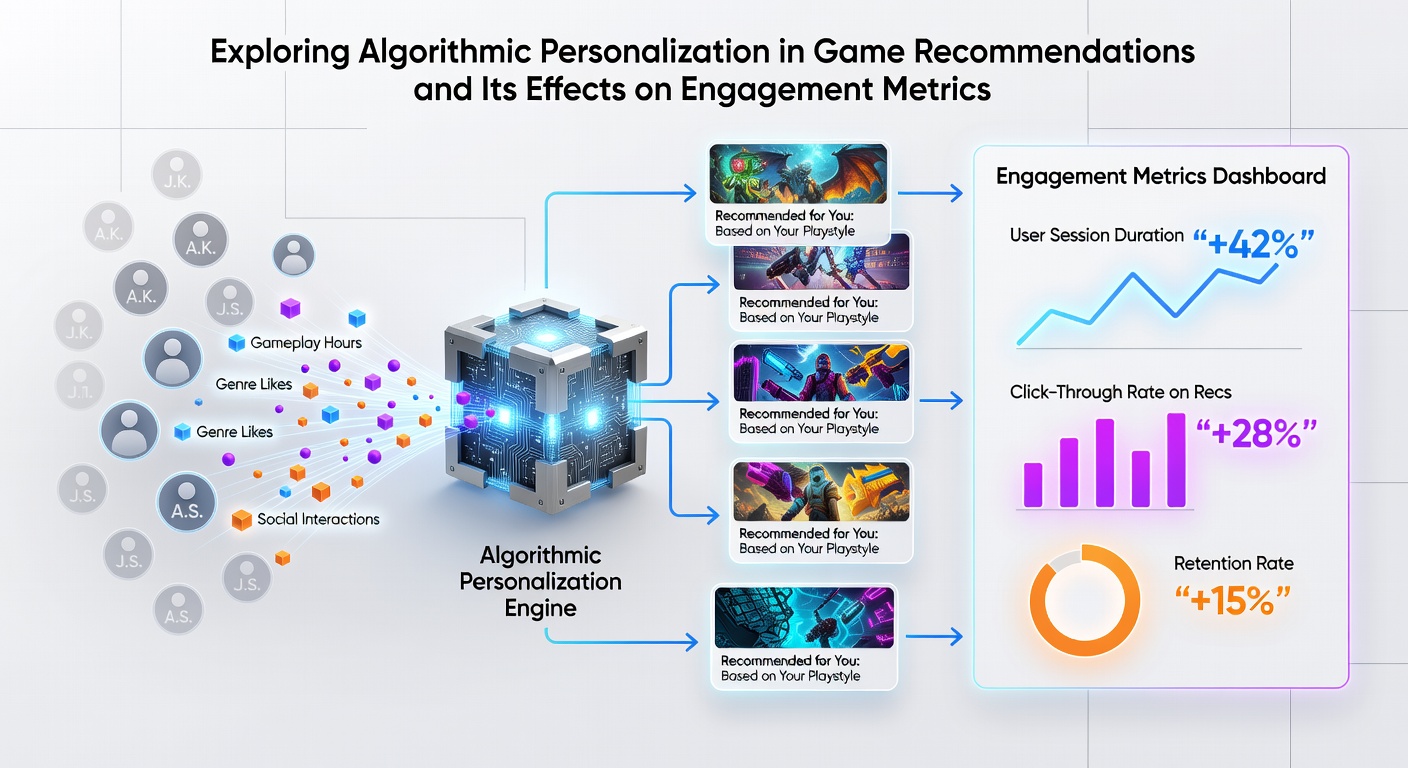
Push notification campaigns tied to algorithmic outputs also contributed, with open rates climbing when messages referenced games previously played by the recipient rather than generic promotions, and operators in regulated markets across North America and Australia reported parallel patterns in their internal dashboards through May 2026.
Regional Implementation Patterns and Data Sources
Canadian operators under iGaming Ontario oversight adopted similar recommendation engines in 2025, and subsequent performance reviews indicated that players exposed to personalized lists completed 29 percent more game rounds per session than control groups using static menus. Australian research conducted at the University of Melbourne examined portable interfaces used by state-licensed providers and found that algorithmic suggestions correlated with a 9 percent lift in return visits within 48 hours, particularly among users whose prior activity spanned multiple game types.
These outcomes emerged because the systems prioritize titles already associated with high completion rates in comparable demographic cohorts, and the resulting recommendations reduce decision fatigue while guiding users toward content that sustains momentum within the interface.
Technical Considerations for Portable Environments
Latency constraints on mobile networks require algorithms to operate with lightweight models that process data locally before syncing with cloud-based servers, and developers have addressed this by pre-loading partial profiles that update only when connectivity allows full synchronization. Battery and data usage remain secondary factors in system design, yet personalization layers incorporate efficiency checks that limit background calculations during low-power states.
Security protocols encrypt behavioral datasets during transmission, and compliance frameworks in multiple jurisdictions mandate transparency reports that disclose how recommendation logic influences player exposure without revealing proprietary code.
Conclusion
Algorithmic personalization in portable casino interfaces has produced measurable effects on session duration, retention, and interaction rates, with industry reports and academic analyses confirming consistent directional changes across tested markets through May 2026. Continued refinement of these systems depends on ongoing data collection and model updates that respond to evolving player patterns while operating within established regulatory boundaries.