How Cross-Platform Verification Systems Impact Progression Through Tiered Incentive Programs in Contemporary Mobile Wagering Applications
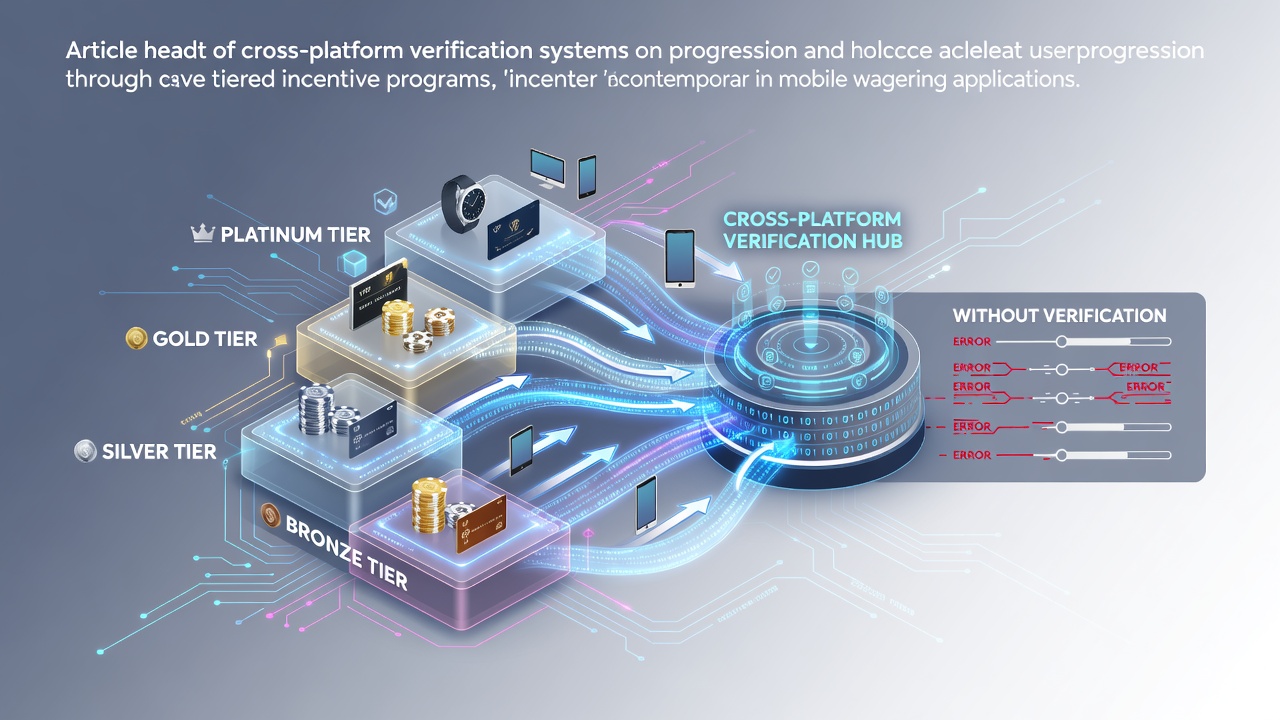
Cross-platform verification systems have become central to how users move through tiered incentive structures in mobile wagering applications, since these frameworks link activity data across smartphones, tablets and desktop interfaces without requiring repeated identity checks. Operators deploy unified authentication protocols that pull from government-issued documents, biometric markers and device fingerprints, allowing a single verified profile to accumulate loyalty points regardless of access point. This setup removes friction that once stalled progression when players switched devices mid-session, yet it also introduces new variables around data synchronization speed and regional compliance checks that can either accelerate or temporarily pause tier advancement.
Mechanics of Unified Verification in Mobile Environments
Contemporary systems rely on token-based handoffs between platforms, where a user who completes initial know-your-customer procedures on one device receives an encrypted credential that carries over to others. Research from the Canadian Gaming Research Partnership shows that verification completion times dropped by an average of 47 percent between 2023 and 2025 once operators adopted shared ledgers. Those gains translate directly into faster point accrual because every spin, wager or table session registers under the same loyalty identifier almost instantly. Delays still surface, however, when network latency or additional regulatory flags trigger secondary reviews, particularly for accounts that cross provincial or state boundaries.
Tier Structures and How Verification Feeds Them
Most mobile wagering applications organize incentives into four or five ascending tiers, each unlocked by a combination of deposit volume, betting frequency and total handle. Cross-platform verification ensures that activity on a phone during a commute counts toward the same monthly target as evening sessions on a tablet at home. Data from the Australian wagering sector indicates that players using synchronized profiles reached mid-tier status 2.3 times faster than those limited to single-device tracking during the 2025 calendar year. The same records reveal that once users hit higher tiers, reward redemption rates climb because cashback percentages and bonus multipliers apply uniformly across all platforms rather than resetting per device.
Effects on Progression Speed and User Retention Patterns
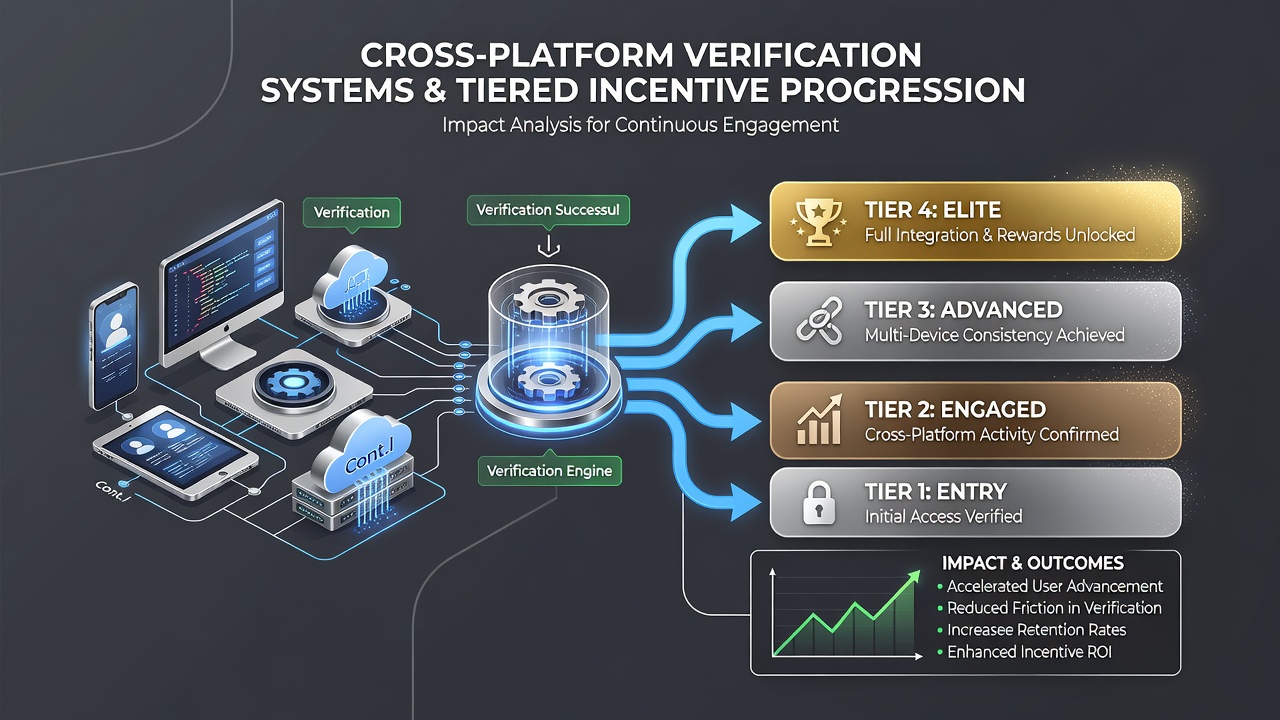
Observers tracking engagement metrics note that verification consistency reduces drop-off at tier thresholds. A 2025 study covering operators in three Australian states found that accounts verified across multiple platforms maintained 31 percent longer active streaks before any tier reset period began. Conversely, verification mismatches, such as when a user updates a phone number on one device but not others, can freeze point posting until manual reconciliation occurs. These pauses rarely exceed 48 hours under current protocols, yet they remain noticeable to frequent players who monitor daily progress toward the next reward level.
June 2026 regulatory updates in several North American jurisdictions are expected to require real-time cross-border data sharing for verification, which may further compress or extend progression timelines depending on how quickly operators integrate the new feeds. Early pilot programs in Ontario already demonstrate that shared verification databases cut duplicate review instances by roughly 60 percent, freeing resources that operators redirect toward instant tier notifications rather than back-office processing.
Privacy Considerations and Data Handling Realities
While seamless progression benefits users, the underlying data flows raise compliance questions that operators address through encryption standards and consent layers. European regulators outside the United Kingdom have pushed for granular permission settings that let players choose which activity categories feed into loyalty calculations. Those settings, once enabled, sometimes segment point accumulation so that certain game types contribute only after additional verification steps, creating minor but measurable differences in how quickly users climb tiers. Industry reports compiled by the European Gaming and Betting Association highlight that segmented tracking still yields higher overall retention than fully siloed device profiles, because the core identity link remains intact.
Practical Examples from Current Implementations
One operator serving multiple Canadian provinces integrated biometric cross-checks in early 2025 and recorded a 19 percent rise in users reaching the top loyalty tier within six months compared with the prior year. Another platform operating across Australian states adjusted its verification workflow to include device-location history, resulting in fewer false flags during tier reviews and smoother point transfers between mobile and desktop sessions. These adjustments demonstrate that verification architecture directly shapes both the pace and predictability of incentive advancement without altering the underlying mathematical requirements for each tier.
Conclusion
Cross-platform verification continues to reshape how tiered incentive programs function inside mobile wagering applications by collapsing separate activity streams into one continuous record. The resulting consistency speeds progression for most users while introducing occasional synchronization hurdles that operators mitigate through improved protocols. As regulatory frameworks evolve into 2026, the interplay between verification speed and loyalty advancement will likely remain a primary focus for both developers and oversight bodies seeking balanced outcomes across devices and jurisdictions.