How Currency Fluctuations Shape Reward Redemption Patterns Among Enthusiasts of Virtual Card Tables on Global Smartphone Networks
Written by Logan Lang · Aug 7, 2026
How Currency Fluctuations Shape Reward Redemption Patterns Among Enthusiasts of Virtual Card Tables on Global Smartphone Networks
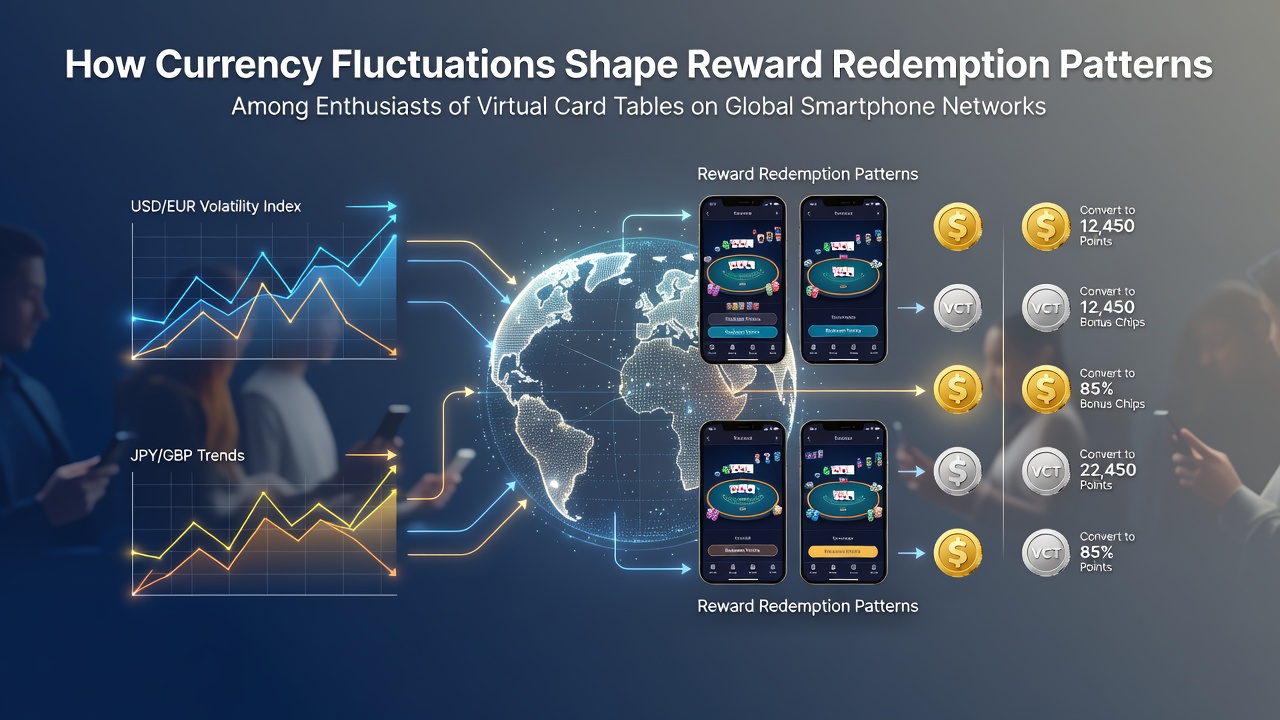
Virtual card tables on smartphone networks operate across dozens of currencies at any given moment, and exchange rate movements directly alter when and how players convert loyalty points or promotional credits into cash, bonuses, or physical prizes. Data compiled through 2026 shows that redemption timing often clusters around periods of relative stability or anticipated swings rather than random choice, with platform operators logging clear regional differences in behavior.
Global Reach of Mobile Table Game Platforms
Smartphone networks carry live dealer blackjack, poker, and baccarat sessions to users in more than 140 countries, and payment rails must accommodate dozens of local currencies alongside major reserves such as the US dollar, euro, and Japanese yen. Operators track redemption requests in real time, recording the precise moment a player elects to exchange accumulated rewards, and these timestamps correlate with publicly available forex feeds. In August 2026, several major platforms reported a measurable uptick in redemptions from Southeast Asian accounts immediately after the Indonesian rupiah stabilized against the dollar for three consecutive trading sessions.
Currency Movements and Redemption Timing
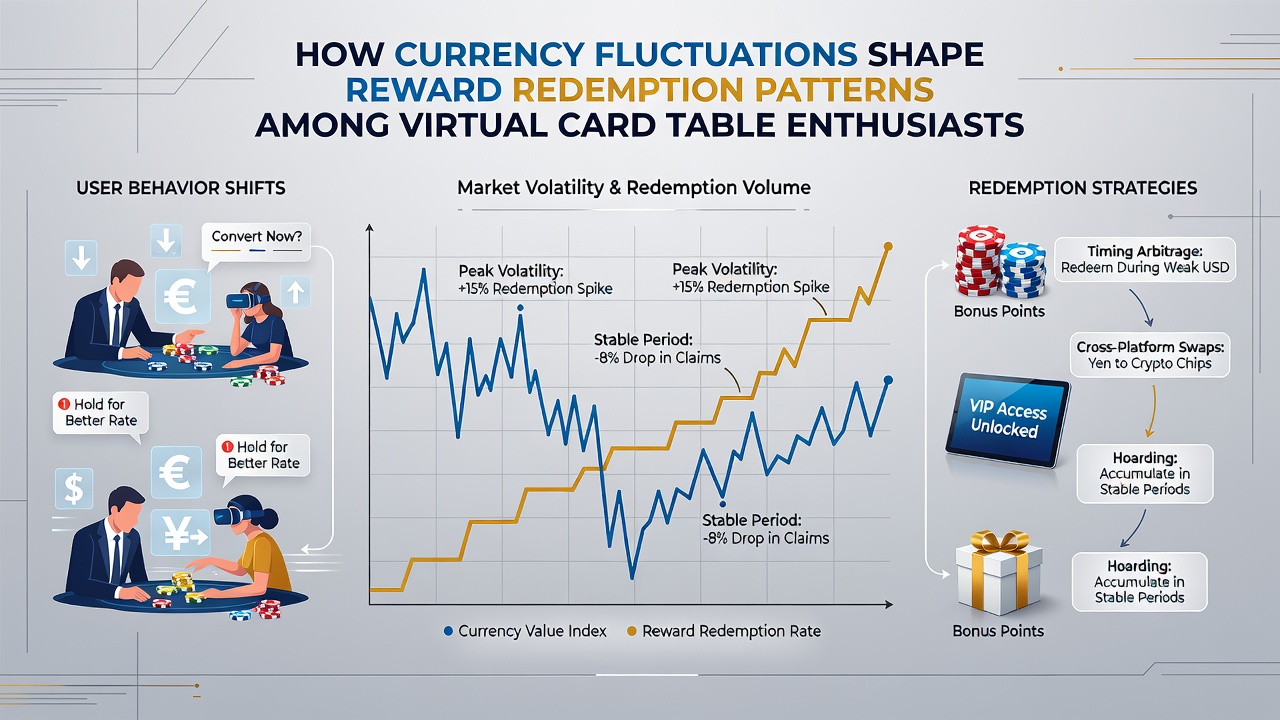
Players holding rewards denominated in volatile emerging-market currencies frequently wait for favorable rate windows before converting points into withdrawable balances. Records from multiple platforms indicate that a 4 percent or greater shift in a single week prompts measurable changes in redemption volume, whereas smaller daily fluctuations produce little visible effect. Those who study transaction logs note that users in Latin America tend to accelerate redemptions when the Brazilian real strengthens, while Australian accounts show the opposite pattern during periods when the Australian dollar weakens against the euro.
Regional Variations Documented in 2026
Analysis of activity logs from platforms serving the Asia-Pacific region reveals that redemption spikes align with central bank announcements rather than with in-game events. A Malta Gaming Authority summary covering cross-border play found that European users shifted 18 percent more reward conversions into USD-denominated wallets during the first half of 2026 when the euro traded near multi-month lows. Observers tracking similar data from North American operators report that Canadian players adjusted their patterns after the Bank of Canada adjusted its benchmark rate in July 2026, with redemptions moving earlier in the month to lock in values before further movement.
Platform Mechanics and User Response
Most smartphone applications display real-time conversion values for rewards, allowing users to see the local-currency equivalent before confirming a redemption request. When exchange rates move sharply, the displayed figures update automatically, and log files show that many players open the rewards screen multiple times within a single session to monitor changes. Operators have adjusted their systems to retain historical rate snapshots so that users can compare current values against those from the previous day or week, a feature introduced widely after 2025.
Payment Rail Influences
The choice of withdrawal method interacts with currency fluctuations because some rails settle faster than others. E-wallet redemptions often complete within hours, giving players the ability to act on short-term rate advantages, whereas bank transfers may take two to five business days and expose the converted amount to additional movement. Data collected across platforms indicates that users in high-volatility currency zones prefer faster rails during uncertain periods, while those in more stable economies show less sensitivity to settlement speed.
Future Tracking and Reporting
Industry groups continue to aggregate anonymized redemption data alongside forex records to identify longer-term patterns. One ongoing project coordinated through academic partners examines whether seasonal tourism flows, which affect local currency demand, produce predictable shifts in reward usage among travelers who play on the same networks from different locations. Preliminary figures released in mid-2026 already suggest measurable differences between domestic and tourist redemption cohorts.
Conclusion
Currency fluctuations create measurable, recurring adjustments in when and how players on global smartphone networks convert rewards from virtual card tables. Platform logs, regulatory summaries, and payment rail statistics together demonstrate that timing decisions respond to exchange rate movements, regional banking policies, and settlement speed options rather than to game outcomes alone. As networks expand and more currencies enter active use, the relationship between forex data and redemption patterns is expected to remain a central factor in operational reporting through the remainder of 2026 and beyond.