How Encryption Standards Shape Reel Selection Habits in Fresh Mobile Gaming Portals
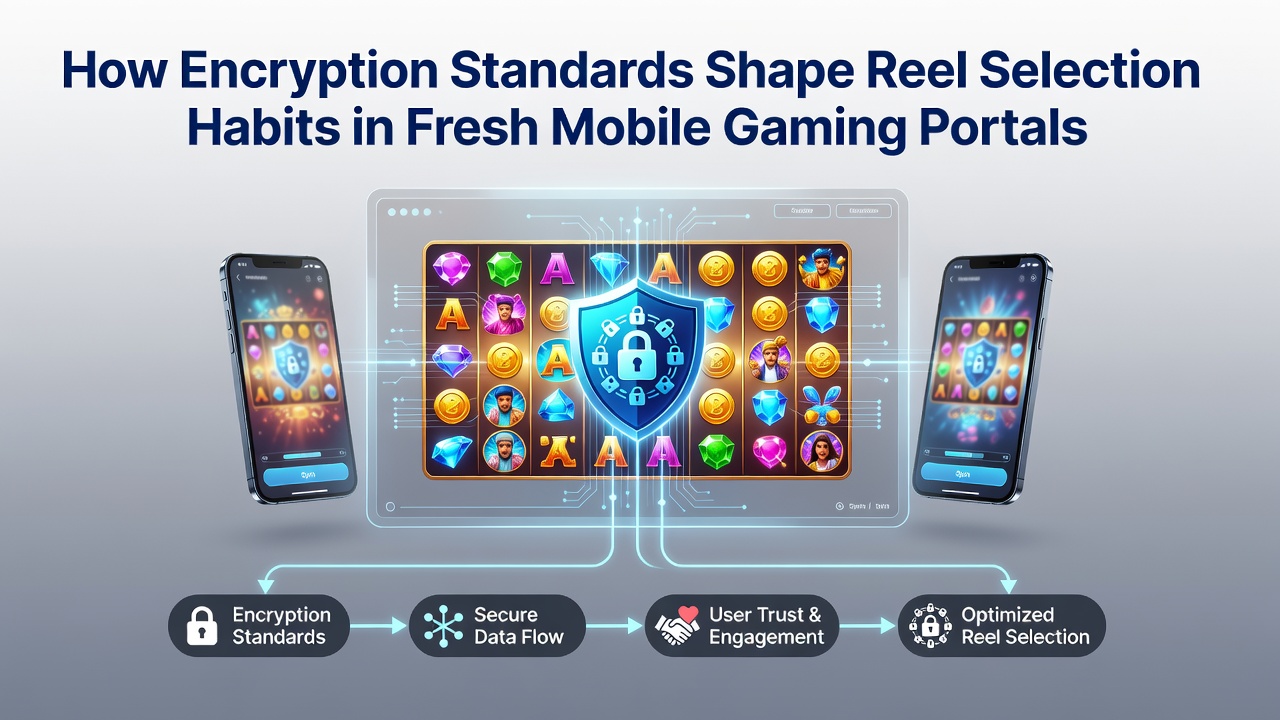
Encryption standards have become central to how players approach reel selection in new mobile gaming portals, and data from industry reports shows clear patterns in these habits. Fresh platforms that implement robust protocols like AES-256 and TLS 1.3 attract users who prioritize security markers when browsing slot options, while those with weaker or outdated measures see lower engagement on certain reel titles. Observers note that players often scan for visible security badges before committing to games with high-volatility reels, and this behavior has intensified as more portals launch in competitive markets.
Core Encryption Protocols in Mobile Gaming Environments
Modern mobile gaming portals rely on layered encryption to protect data during reel spins and account interactions, and researchers have documented how these layers influence user decisions. Standards such as end-to-end encryption combined with certificate pinning reduce risks of interception, which in turn encourages selections from libraries featuring progressive jackpot reels over simpler options. In July 2026 several emerging platforms introduced TLS 1.3 as a baseline requirement, and figures from regulatory filings reveal that portals adopting this standard experienced measurable shifts in reel engagement metrics within the first quarter.
Players frequently compare portal security claims against third-party audits before settling on specific reel games, and this verification step now forms a routine part of session starts. Those who study digital wagering ecosystems report that authentication pathways tied to strong encryption create smoother progression into loyalty tiers, which further steers choices toward reels that appear in featured or recommended sections. The connection between protocol strength and game preference emerges most clearly when portals update their security frameworks, because updates often coincide with changes in which reel categories gain traction.
Player Verification Patterns and Reel Preferences
Authentication processes that incorporate advanced encryption shape initial reel selections by building immediate trust signals, and case examples from multiple regions illustrate this dynamic. One study of portable wagering applications found that users who completed encrypted login flows were more likely to explore themed reel sets with bonus round mechanics rather than defaulting to classic three-reel formats. Data indicates that portals emphasizing visible encryption details during onboarding see higher retention on newer video reel titles, whereas platforms that bury security information experience clustering around older, lower-risk options.
What's interesting is how these habits extend beyond the first session. Users who return to portals with updated encryption certificates tend to diversify their reel selections over time, moving from low-stake classics to higher-feature games once trust is established. Researchers discovered that multi-factor authentication paired with current encryption standards correlates with longer session durations on reels that include skill-based elements, because players feel more secure committing additional time and credits. This pattern holds across different geographic markets, although the specific reel categories favored vary by regional preferences.

Impact of Security Updates on Game Libraries
When fresh mobile gaming portals roll out encryption upgrades, reel selection habits shift in measurable ways according to platform analytics. Portals that migrate to stronger key exchange methods often report increased activity on reels with complex payout structures, because users interpret the security improvements as permission to try more intricate games. Those who've examined these transitions note that the effect appears within days of the update announcement, particularly when portals communicate changes through in-app notifications that reference compliance with recognized standards.
Industry organizations tracking mobile wagering have compiled data showing that encryption compliance influences promotional placement of reel titles. Games featured after a security refresh receive disproportionate attention compared to the same titles before the update, suggesting that perceived platform safety amplifies visibility effects. This interplay becomes especially pronounced in markets where new portals compete directly, because players cross-reference security features across apps before committing to particular reel libraries.
Regulatory Context and Platform Comparisons
Regulatory bodies across regions have begun requiring documented encryption practices for mobile gaming licenses, and these requirements feed directly into how users evaluate reel options. According to reports from the European Union Agency for Cybersecurity, consistent application of updated protocols reduces perceived risk and encourages broader exploration of game catalogs. In parallel, analyses from the National Institute of Standards and Technology highlight how specific algorithm choices affect user confidence metrics in digital entertainment environments.
Portals operating under stricter encryption mandates tend to see steadier growth in selections of high-volatility reels, while those in lighter regulatory zones show more conservative patterns. Observers tracking these differences point out that the gap narrows when platforms voluntarily exceed minimum requirements, because voluntary upgrades serve as differentiators that players actively seek during initial portal trials.
Conclusion
Encryption standards continue to guide reel selection habits in fresh mobile gaming portals through a combination of visible trust signals, authentication efficiency, and regulatory alignment. As platforms introduce newer protocols, data shows corresponding adjustments in which reel categories attract sustained player attention. Those monitoring the sector expect these influences to persist as mobile interfaces evolve and security expectations rise across user bases.