How Reward Tiers and Payment Channels Interact to Influence Activity Levels at New Digital Gaming Platforms
Written by Rosa Braun · Aug 26, 2026
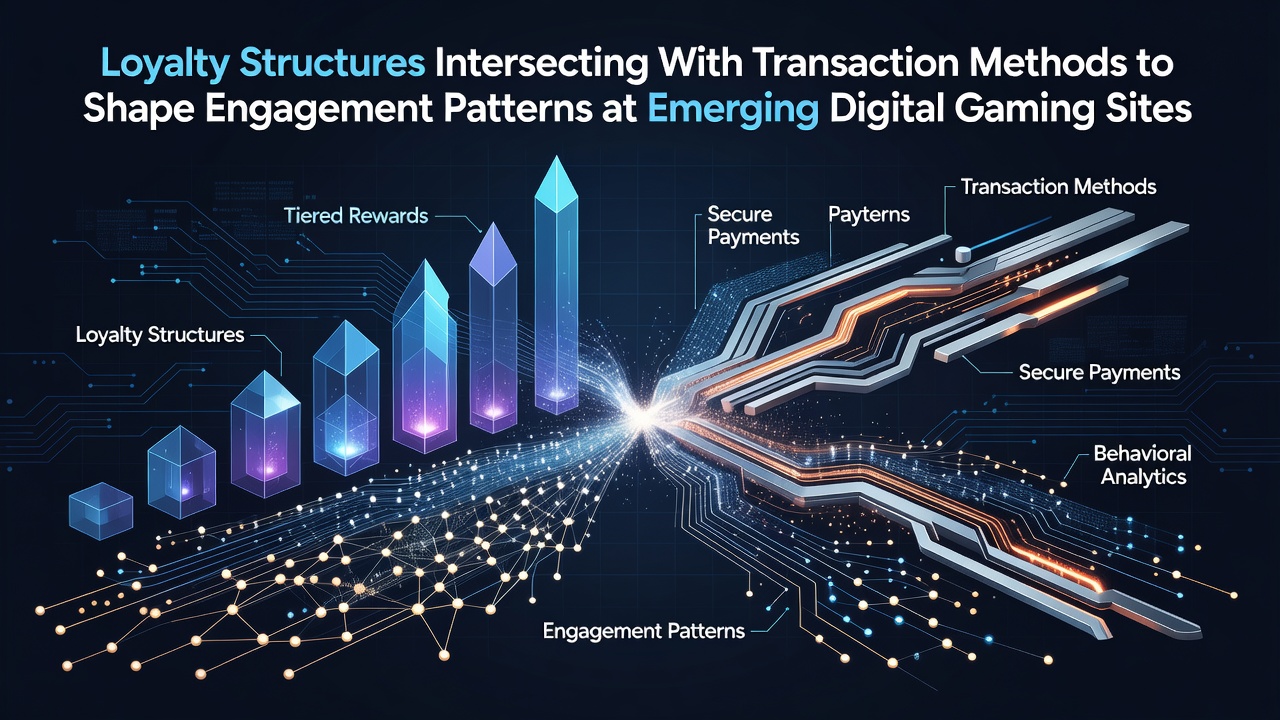
How Reward Tiers and Payment Channels Interact to Influence Activity Levels at New Digital Gaming Platforms
Emerging digital gaming sites continue to refine loyalty structures that tie directly into transaction methods, and this integration shapes how players maintain consistent engagement over extended periods. Platforms launch tiered reward systems where deposit frequency and payment type determine point accumulation rates, while withdrawal speed influences overall session continuity. Data from industry tracking shows players who link faster payment options to loyalty programs often extend their play windows by noticeable margins compared to those using slower methods.
Core Mechanics of Loyalty Integration With Transactions
Operators structure loyalty programs so that each deposit method carries specific multipliers for reward points, and this setup encourages users to select options that align with higher engagement goals. Crypto deposits, for instance, frequently receive boosted point values because they process instantly, whereas traditional bank transfers may receive standard rates due to longer clearance times. Players notice these differences quickly, and many adjust their funding habits accordingly to climb loyalty tiers faster.
Payment innovations also feed into tier advancement timelines, since platforms track not only deposit amounts but also the consistency of chosen methods. A user who switches to e-wallets after initial bank card use may accelerate their progress toward silver or gold status because those channels reduce friction in both deposits and subsequent withdrawals. Industry reports indicate that platforms offering seamless method switching see higher retention rates in the months following a loyalty program update.
Patterns Observed Across Mobile-First Platforms
Mobile interfaces amplify these intersections because transaction speed becomes even more critical during short play sessions. Loyalty dashboards on apps display real-time point gains tied to specific payment actions, and this visibility prompts users to repeat successful funding patterns. Research from academic studies on digital gambling behavior reveals that immediate feedback loops between transactions and rewards increase the likelihood of repeated daily logins.
Those who study engagement metrics note that sites allowing instant loyalty redemptions after a deposit often record longer average session durations. In August 2026 several platforms introduced combined loyalty-payment dashboards that highlight how a single transaction affects both balance and tier progress, and early figures reveal measurable upticks in weekly active users. External observers point out that these changes coincide with broader adoption of instant payment rails across emerging markets.
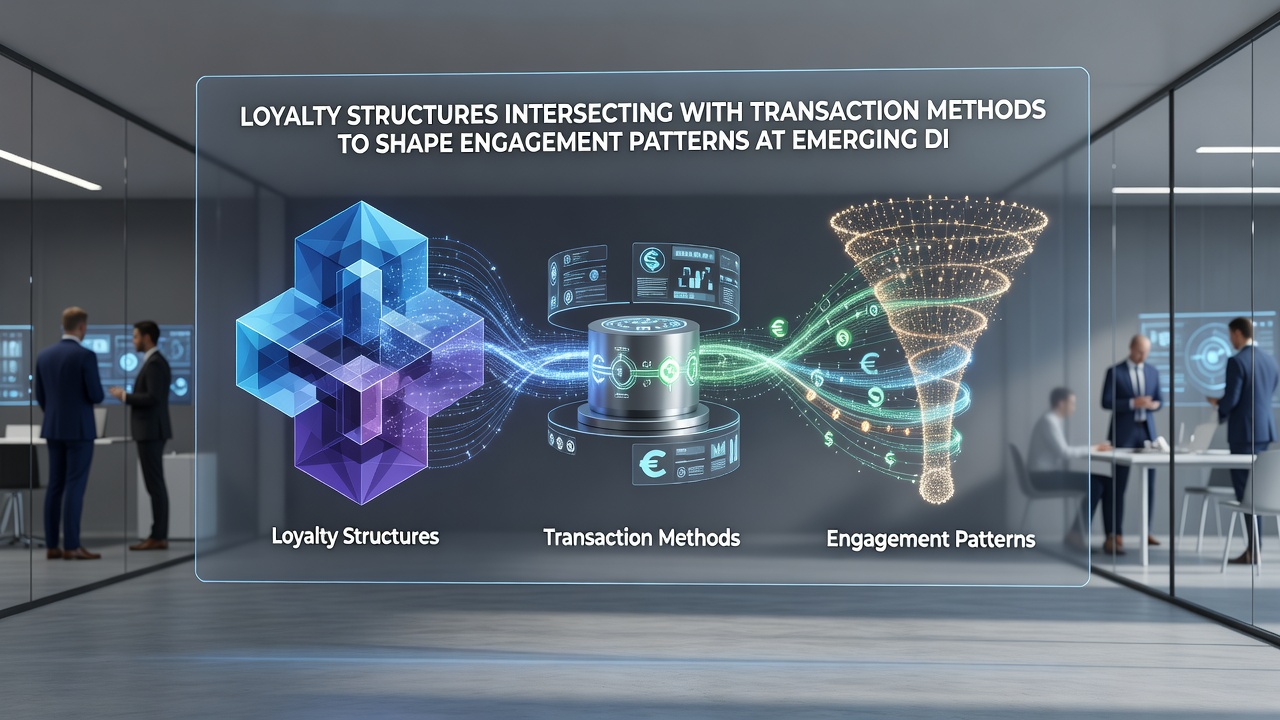
Regional Examples and Regulatory Context
Canadian operators have documented cases where loyalty programs that reward specific payment methods produced shifts in deposit frequency among regional users. A report from the Canadian Gaming Association highlights how integrated systems reduced drop-off rates between deposit and active play phases. Similar patterns appear in Australian markets where regulatory updates in mid-2026 encouraged clearer disclosure of how transaction choices affect reward eligibility.
European platforms outside the UK have tested hybrid models that combine loyalty points with cashback delivered through the same payment channel used for deposits. These experiments show that players maintain higher engagement when withdrawal processing times align with loyalty tier benefits, since faster access to winnings reinforces continued participation. Observers note that such alignments help platforms differentiate themselves in competitive emerging segments.
Future Directions in August 2026 and Beyond
By August 2026 several emerging sites began piloting AI-driven adjustments that modify loyalty multipliers based on a player's preferred transaction history. These systems analyze past payment patterns and suggest method changes that could unlock higher rewards, and preliminary data indicates improved session consistency among participants. Academic researchers continue to examine whether these automated suggestions produce lasting behavioral changes or merely temporary spikes.
Industry associations in North America and Asia have started sharing anonymized datasets that track correlations between payment latency and loyalty tier movement. The findings suggest that reducing even small delays in transaction confirmation can produce compounding effects on long-term engagement metrics. Platforms that adopt these insights early often see measurable advantages in player lifetime value calculations.
Conclusion
The ongoing convergence of loyalty structures and transaction methods creates measurable shifts in engagement patterns across emerging digital gaming sites. As payment technologies evolve and loyalty frameworks grow more sophisticated, platforms that maintain clear connections between the two elements tend to sustain higher activity levels. Continued monitoring through industry reports and academic analysis will clarify which combinations deliver the most stable outcomes over time.