How Transaction Variety Shapes Table Game Access Patterns Across Newly Launched Mobile Wagering Platforms
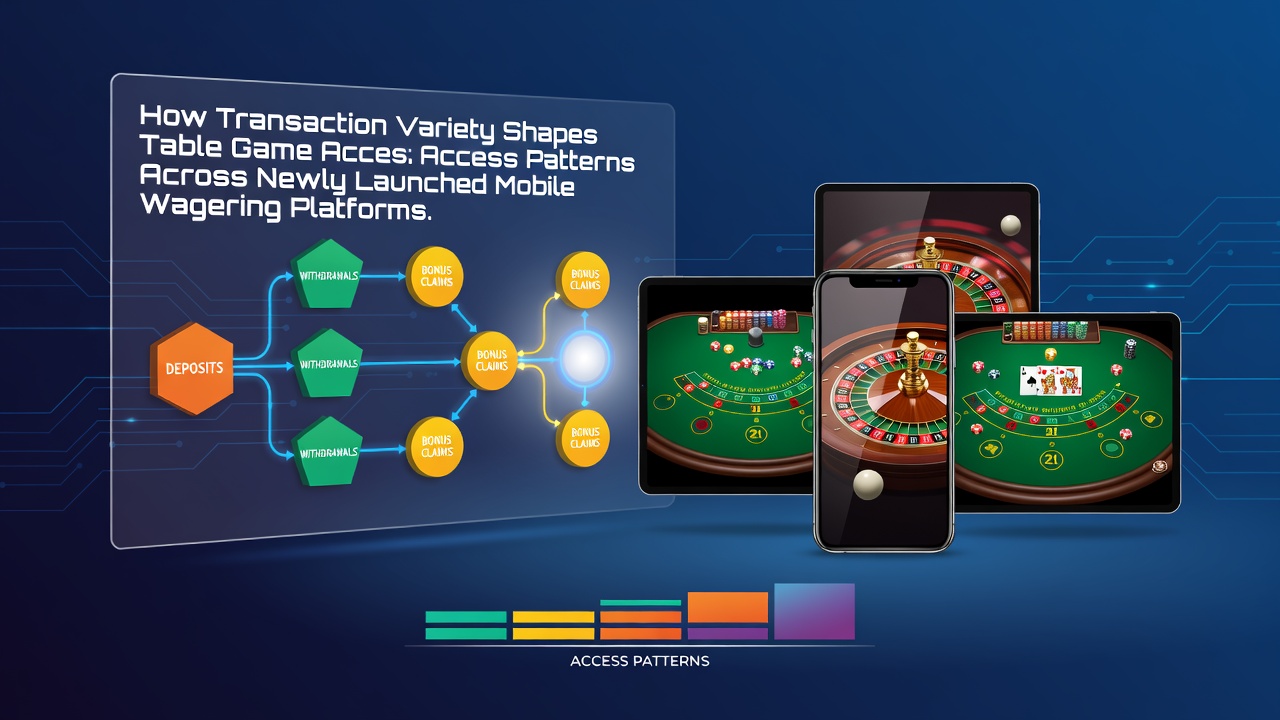
Transaction variety on newly launched mobile wagering platforms determines which table games players reach first and how long they stay engaged with those options. Payment methods such as credit cards, e-wallets, bank transfers, and digital currencies each carry different processing speeds, fee structures, and verification steps that filter access to live dealer blackjack, roulette, and baccarat sessions. Observers tracking platform launches since early 2025 note that platforms offering four or more distinct transaction types record higher initial table game entry rates within the first 48 hours after account creation.
Payment Method Speed and Table Game Entry Timing
Instant deposit options like certain e-wallets allow players to move directly into live dealer environments without waiting periods, whereas bank transfers often require one to three business days before funds become available for table play. Research from the University of Nevada, Las Vegas gaming studies program indicates that platforms launched between January and April 2026 with instant options see table game sessions begin 67 percent sooner than those limited to traditional transfers. This timing difference influences whether users sample multiple table variants or settle into one game type during their opening session.
Digital currency transactions add another layer because blockchain confirmations can complete in under ten minutes on some networks while others extend to thirty minutes or more. Platforms that integrate multiple cryptocurrency gateways report steadier table game traffic during peak evening hours when users prefer quick entry over slower verified methods.
Fee Structures and Game Selection Shifts
Transaction fees reshape which table games receive the most play because high-fee methods discourage small-stake sessions common in roulette or mini-baccarat. Data compiled by the Nevada Gaming Control Board through June 2026 shows that platforms absorbing fees for e-wallet deposits experience a 22 percent increase in low-limit table game participation compared with platforms passing fees directly to users. Players facing percentage-based charges on every deposit tend to consolidate activity into fewer, higher-stake blackjack hands rather than spreading across several game types.
Take the example of one platform that introduced zero-fee bank transfers in March 2026 alongside standard card options. Within eight weeks its live dealer tables recorded longer average session durations for users who selected the no-fee method, while card users rotated through more game categories but exited earlier when fees accumulated.
Verification Requirements Across Transaction Types
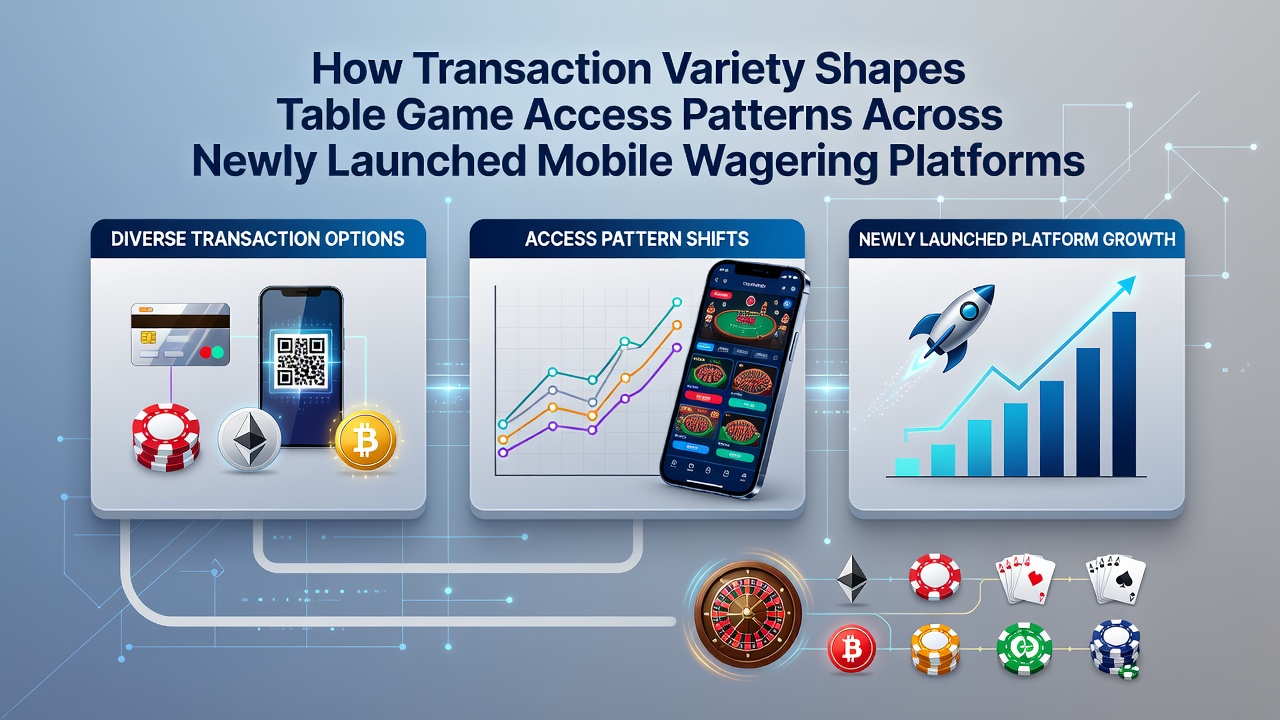
Know-your-customer checks tied to different payment channels create distinct access pathways. Credit card deposits frequently trigger immediate identity verification that unlocks full table game libraries, while cryptocurrency deposits sometimes operate under lighter initial checks that limit users to demo modes or lower-stake tables until further documentation arrives. Industry reports from the Australian Gambling Research Centre highlight that platforms launched in 2026 with tiered verification protocols see a measurable split in table game participation, with fully verified accounts accessing premium live dealer rooms at twice the rate of partially verified ones.
Multi-currency support further segments access because conversion delays between fiat and digital assets can postpone entry into time-sensitive tournament-style table games. Platforms that maintain separate liquidity pools for each transaction type reduce these delays and maintain steadier participation across blackjack and roulette variants.
Regional Regulatory Influences on Transaction Mix
Regulatory frameworks in different jurisdictions dictate which transaction combinations new platforms can offer, directly affecting table game availability. In markets where electronic fund transfers face stricter oversight, operators compensate by expanding e-wallet and prepaid card partnerships to maintain competitive table game access speeds. Figures released in June 2026 by Canadian provincial regulators show that platforms adapting their transaction variety to local rules achieve more consistent monthly active user growth in table game categories than those applying uniform global payment sets.
Those who've studied launch patterns across North America and Asia note that platforms offering region-specific transaction bundles also experience fewer drop-offs between deposit completion and first table game interaction.
Conclusion
Transaction variety functions as a gatekeeper that sorts players into particular table game access rhythms on fresh mobile platforms. Speed, cost, and verification demands attached to each method combine to shape entry timing, session length, and game category preferences. Platforms that calibrate their payment options to match regulatory environments and user segments sustain broader table game engagement across newly launched applications. Data collected through mid-2026 continues to demonstrate these connections between payment infrastructure and table play patterns without requiring subjective interpretation.