Inside the Framework of Secure Payments and Bonus Mechanisms at Innovative Mobile Casino Platforms

Secure payments and bonus mechanisms form the backbone of mobile casino operations today, and platforms continue to refine these systems through layered encryption protocols alongside structured reward programs that keep players engaged across devices. Research indicates that tokenization combined with biometric verification has become standard in many applications since the shift toward app-based play accelerated around 2024, allowing transactions to complete without exposing full card details at any point during the process.
Payment Security Layers in Mobile Environments
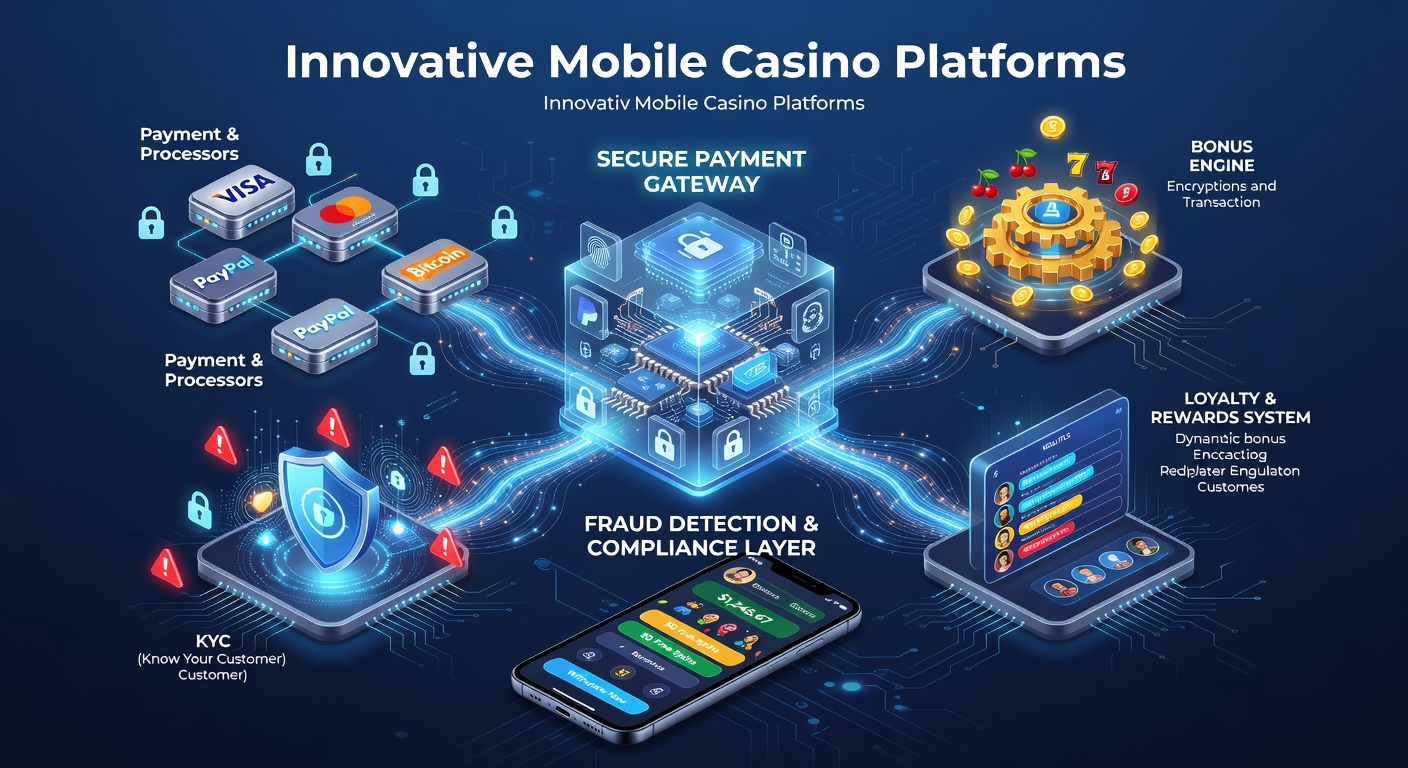
Developers integrate multiple security tiers that work together rather than relying on single-point defenses, so SSL certificates at the 256-bit level sit alongside PCI DSS compliance checks that verify merchant accounts before any funds move. Observers note that one platform introduced real-time fraud detection algorithms in early 2025, and these tools now flag suspicious patterns within milliseconds by cross-referencing device fingerprints with user behavior histories while maintaining seamless checkout flows for legitimate sessions.
Payment options have expanded to include traditional cards, e-wallets such as PayPal and Skrill, direct bank transfers, and in some jurisdictions cryptocurrency wallets that settle through blockchain confirmations. Data shows adoption rates for digital wallets rose steadily through 2025 because they reduce exposure time compared with manual card entry, and several operators added support for contactless mobile payments that leverage device hardware security modules for added protection.
Bonus Structures and Wagering Mechanics
Bonus systems at mobile platforms typically combine deposit matches, free spin allocations, and cashback percentages that activate after qualifying activity thresholds are met, yet each offer carries clearly defined wagering requirements that convert promotional funds into withdrawable balances only after a set multiple of play occurs. Studies from industry analysts reveal that contribution rates vary by game type, with slots often counting at 100 percent toward requirements whereas table games contribute at lower percentages to balance risk across the platform.
Verification steps such as identity checks and two-factor authentication precede bonus activation in most cases, which prevents duplicate account abuse and ensures compliance with regional rules. Researchers discovered that platforms running automated tracking software can adjust bonus parameters dynamically based on player history, so high-volume users sometimes receive tailored reload offers while new accounts receive standard welcome packages that still enforce the same core fairness rules.
Regulatory Updates and May 2026 Developments
Regulatory bodies across multiple regions introduced updated technical standards in May 2026 that emphasize enhanced transaction monitoring for mobile channels, and these guidelines require operators to implement additional anomaly detection layers without slowing down legitimate gameplay. Figures from the Australian Communications and Media Authority highlight how similar updates in prior years reduced reported payment disputes by measurable margins, prompting other jurisdictions to adopt comparable frameworks.
According to research compiled by the National Center for Responsible Gaming, integration of artificial intelligence for bonus abuse detection has shown consistent results across tested markets, allowing platforms to maintain generous promotional structures while limiting exploitation that previously strained operational budgets.
Integration of Payments with Reward Programs
Modern platforms link payment gateways directly to bonus engines so that qualifying deposits trigger rewards automatically, and this connection reduces manual intervention while logging every step for audit trails. Those who have examined these systems point out that real-time reconciliation happens behind the scenes, confirming that bonus funds appear only after payment processors clear transactions and anti-fraud screens pass without issue.
Case examples include operators that rolled out progressive loyalty tiers in late 2025, where cumulative deposit volumes unlock higher cashback rates or exclusive free spin batches, and these tiers reset on monthly cycles to encourage ongoing activity. The mechanics stay transparent through in-app terms that detail contribution weights and expiry dates, giving players clear expectations before they commit funds.
Future-Proofing Through Technology
Encryption standards continue to evolve, and many platforms now test quantum-resistant algorithms in pilot programs to stay ahead of potential threats that could emerge in coming years. Observers note that adoption of these advanced protocols often coincides with hardware upgrades on user devices, since newer smartphones support faster processing of complex cryptographic functions without draining battery life excessively.
Bonus mechanisms similarly adapt, incorporating gamification elements such as achievement badges that unlock micro-rewards or streak multipliers, yet all remain subject to the same regulatory oversight that governs base payment security. Data indicates these layered approaches help platforms sustain player interest while meeting compliance benchmarks set by authorities in North America and Europe alike.
Conclusion
The combination of robust payment frameworks and carefully calibrated bonus systems allows mobile casino platforms to operate efficiently across borders while addressing both security and engagement needs. As technology advances and regulations tighten further in 2026 and beyond, operators that maintain transparent, auditable processes position themselves to deliver consistent experiences that meet player expectations without compromising on protection standards.