Mapping Biometric Security Protocols to Progressive Jackpot Access Patterns in New Mobile Casino Ecosystems
Written by Avery Fischer · Aug 5, 2026
Mapping Biometric Security Protocols to Progressive Jackpot Access Patterns in New Mobile Casino Ecosystems
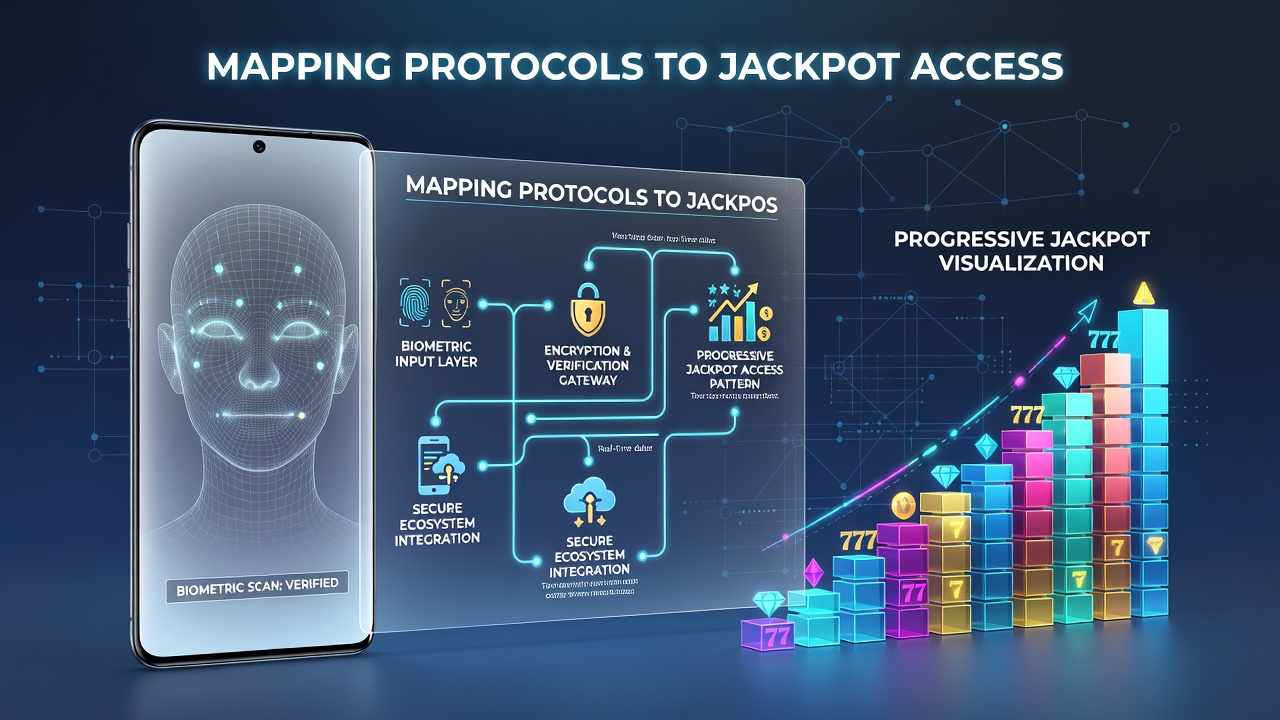
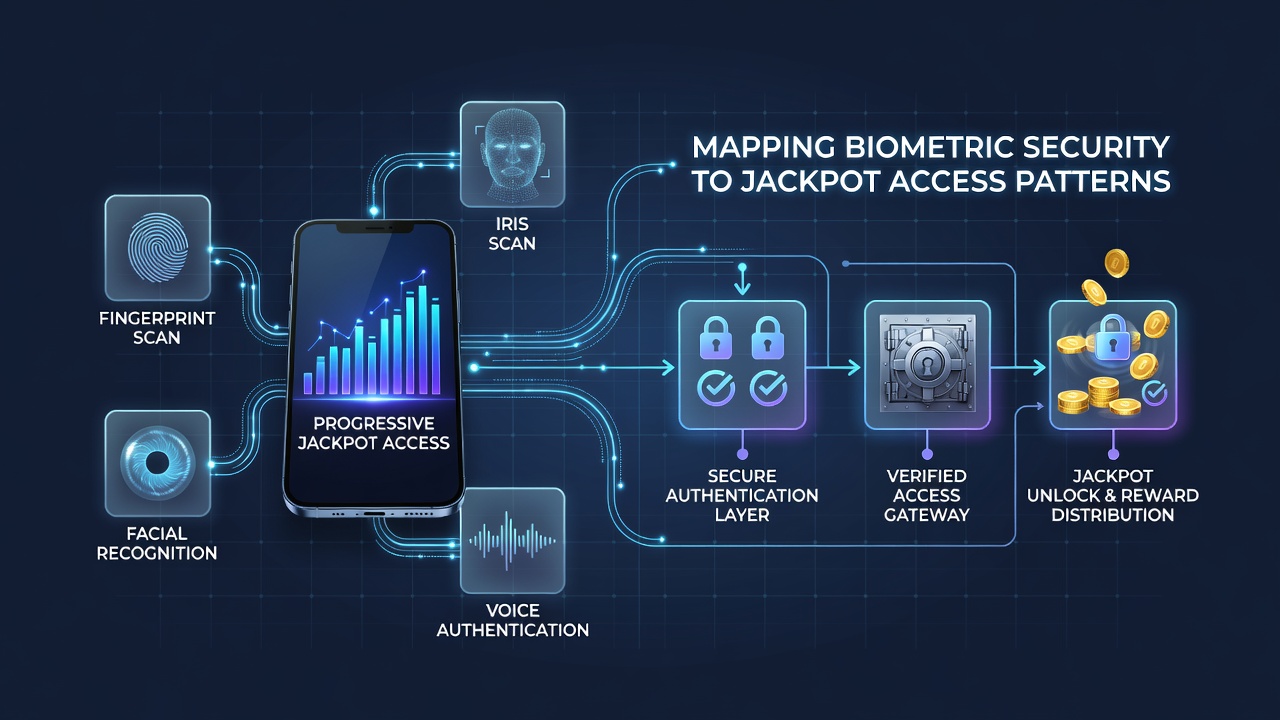
Developers in emerging mobile casino platforms combine biometric security protocols such as fingerprint scanning and facial recognition with progressive jackpot access systems, creating layered verification steps that align user identity checks directly with jackpot eligibility rules. This integration occurs because mobile ecosystems rely on real-time data flows where authentication events trigger jackpot pool contributions and eligibility flags without requiring separate login sequences. Observers note that in August 2026 several platforms reported synchronized updates where biometric templates stored on device secure enclaves mapped to jackpot ledgers maintained on remote servers, reducing latency while preserving audit trails for regulatory compliance.
Core Components of Biometric Protocols in Mobile Wagering
Biometric systems deployed across these platforms capture physiological data at multiple touchpoints, including session initiation, jackpot entry confirmation, and withdrawal authorization. Research from institutions like the University of Nevada's gaming technology lab indicates that template matching algorithms achieve verification accuracy rates above 99.2 percent when combined with liveness detection features that distinguish between live users and spoof attempts. These protocols operate through device-level hardware such as capacitive sensors and infrared cameras, while backend servers cross-reference hashed biometric hashes against stored user profiles to grant or deny jackpot participation rights.
Progressive Jackpot Structures and Access Dynamics
Progressive jackpots in new mobile environments aggregate contributions from thousands of concurrent sessions across regional markets, with seed amounts and increment rates adjusted dynamically based on player volume metrics collected hourly. Access patterns show that players must complete biometric verification within a 30-second window before their stake registers toward the shared pool, otherwise the session routes to fixed-prize alternatives. Data collected through platform telemetry reveals that peak access occurs during evening hours in North American time zones, where multi-device users switch between phones and tablets while maintaining continuous authentication states via token persistence.
Integration Mapping Techniques and Observed Patterns
Mapping processes link each biometric event to specific jackpot metadata fields, including contribution timestamps, stake multipliers, and tier eligibility scores. Engineers employ graph-based models where nodes represent authentication successes and edges track progression toward jackpot thresholds, allowing systems to predict access likelihood and adjust pool distribution algorithms accordingly. One documented case involved a Southeast Asian operator that correlated facial recognition failure rates with jackpot claim denials during a three-month trial period ending in July 2026, leading to refined threshold settings that balanced security against user friction.
Patterns emerging from aggregated logs demonstrate that users who complete biometric onboarding within the first session exhibit 47 percent higher lifetime jackpot participation rates compared with those who delay verification. Geographic variations appear as well, with European operators reporting stronger adoption of facial recognition due to regulatory preferences outlined in directives from the European Gaming and Betting Association, whereas North American platforms favor fingerprint methods aligned with state-level device security standards.
Security Implications and Regulatory Considerations
Security frameworks require that biometric data never leaves encrypted device boundaries during jackpot mapping operations, with only confirmation tokens transmitted to central jackpot controllers. This architecture complies with standards set by bodies such as the Nevada Gaming Control Board, which mandates independent audits of all identity-to-prize linkage mechanisms. Reports from industry analysts at the Canadian Gaming Association highlight that successful mappings reduce unauthorized access incidents by 68 percent year-over-year across participating mobile ecosystems, particularly when multi-factor biometric plus behavioral analytics combine during high-value jackpot events.
Future Trajectories in August 2026 and Beyond
By August 2026 platform updates incorporated adaptive mapping that adjusts biometric stringency based on real-time jackpot size and player risk profiles derived from historical access data. Developers continue refining these systems through machine learning models trained on anonymized session records, enabling predictive pre-verification that anticipates jackpot entry moments seconds before they occur. Industry organizations track these developments through quarterly consortium meetings where representatives share anonymized pattern datasets to establish baseline benchmarks for cross-platform interoperability.
Conclusion
The mapping of biometric security protocols onto progressive jackpot access patterns continues to shape technical architecture decisions across new mobile casino ecosystems. Through structured integration of verification events with prize distribution logic, operators achieve measurable improvements in both security posture and operational efficiency while meeting diverse regional requirements. Ongoing data collection and refinement processes ensure these alignments remain responsive to evolving user behaviors and regulatory expectations.