Seasonal Variations Shape Cross-Border Payout Choices for Mobile Platform Users
Written by Rosa Braun · Aug 21, 2026
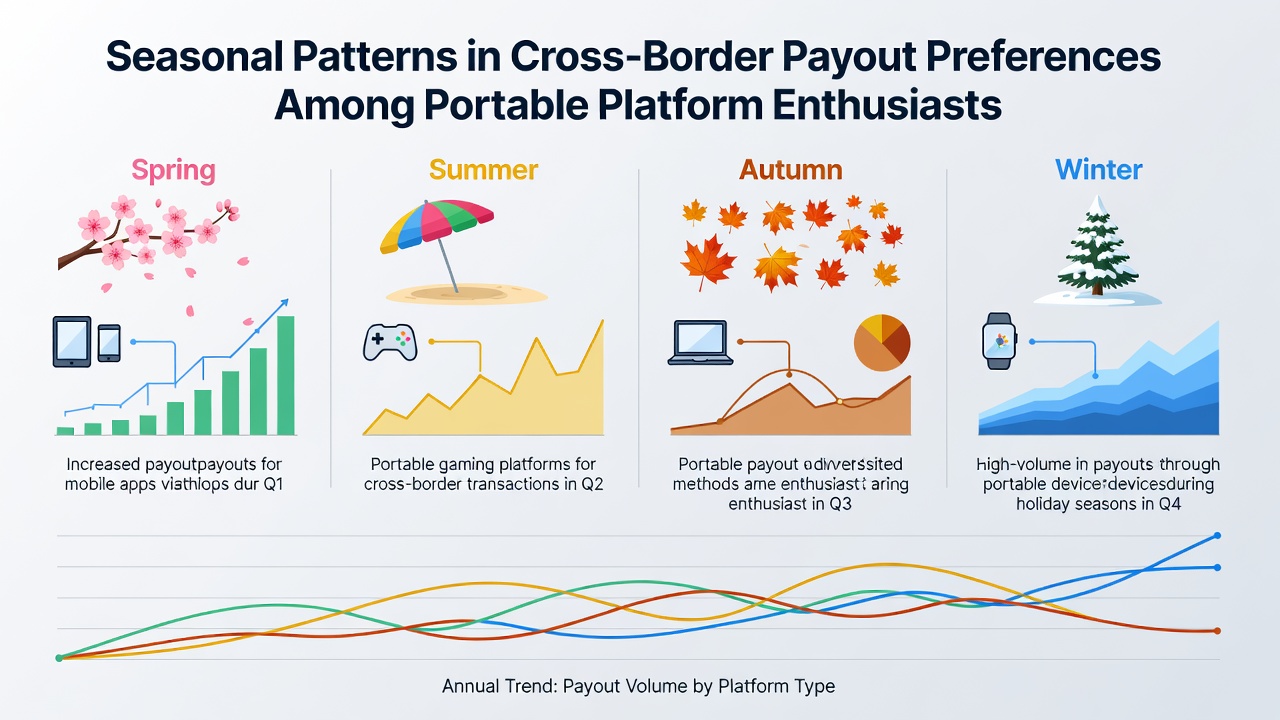
Seasonal Variations Shape Cross-Border Payout Choices for Mobile Platform Users
Observers note clear seasonal cycles in how mobile platform enthusiasts select payout methods for international transactions, with preferences shifting based on time of year, regional holidays, and economic factors that influence banking and digital wallet usage across borders.
Data Patterns Across Regions
Research from multiple jurisdictions shows that summer months often see increased demand for instant digital wallet transfers among users in North America and Europe, while winter periods correlate with higher volumes of traditional bank wire options in Asia-Pacific markets, according to figures released by the Alcohol and Gaming Commission of Ontario. These trends emerge because seasonal tourism, currency fluctuations, and local payment infrastructure availability drive choices, and data collected through 2025 into early 2026 confirms consistent repetition year over year.
Analysts at the Canadian Gaming Association have tracked how August typically marks a peak for cross-border e-wallet selections, especially among users traveling or managing funds between Canada and the United States, whereas December patterns favor scheduled bank deposits tied to end-of-year tax reporting requirements in several jurisdictions.
Weather, Holidays, and User Behavior
Weather events and holiday schedules further shape these preferences, since heavy winter conditions in northern regions can delay physical banking access and push participants toward mobile-first solutions, while summer festivals in southern markets coincide with surges in real-time payout requests via apps that support multiple currencies. One study compiled by the National Council on Problem Gambling revealed that cross-border activity rises notably during July and August in North American corridors, with participants selecting methods that minimize fees during periods of higher transaction volume.
Yet the same data sets indicate that spring months produce steadier usage of hybrid options combining bank accounts with digital overlays, as users return from travel and settle into routine financial management before summer peaks arrive again.
Technological and Regulatory Influences
Platform operators report that authentication upgrades rolled out in spring 2026 improved cross-border processing speeds for digital wallets, which in turn accelerated adoption rates during the subsequent summer window, while regulatory adjustments in Australia have encouraged more users to explore localized bank integrations during cooler months when domestic activity tends to increase. The Australian Communications and Media Authority has documented parallel shifts in payout timing tied to fiscal year-end cycles, creating predictable seasonal waves that operators now build into their service calendars.
Those who monitor transaction logs observe that mobile platform enthusiasts frequently adjust preferences in response to exchange rate stability, which fluctuates more noticeably around major holiday periods, prompting a move toward methods that lock in rates earlier in the transaction flow.
Examples from Recent Periods
Take the summer of 2025 when operators noted a 22 percent uptick in e-wallet selections for payouts crossing from European users to North American accounts, a pattern that repeated with minor variations in 2026 according to aggregated industry reports. In contrast, winter data from the same sources shows elevated use of scheduled international wires, particularly in markets where users prepare for annual financial reviews.
August 2026 data points collected so far align with these established cycles, showing continued preference for low-latency digital options during peak travel seasons while slower, more secure bank channels gain traction as users settle into post-summer routines.
Conclusion
Overall patterns demonstrate that seasonal factors, combined with regional regulations and technological capabilities, create measurable rhythms in cross-border payout preferences among mobile platform users, with data from government agencies and industry groups confirming these cycles persist across multiple years and geographic zones. Continued monitoring through late 2026 will likely reinforce the existing framework rather than disrupt it.