Tracing Authentication Pathways and Their Influence on Reel Selection Trends in Emerging Portable Wagering Applications

Authentication pathways in emerging portable wagering applications have evolved rapidly as operators integrate multi-layered verification systems to meet regulatory standards across jurisdictions, and these processes directly shape how users navigate reel selection in mobile environments. Data from industry reports indicates that streamlined login sequences reduce friction during initial access, which in turn correlates with higher engagement rates on specific slot titles that feature dynamic reel mechanics.
Core Components of Modern Authentication Systems
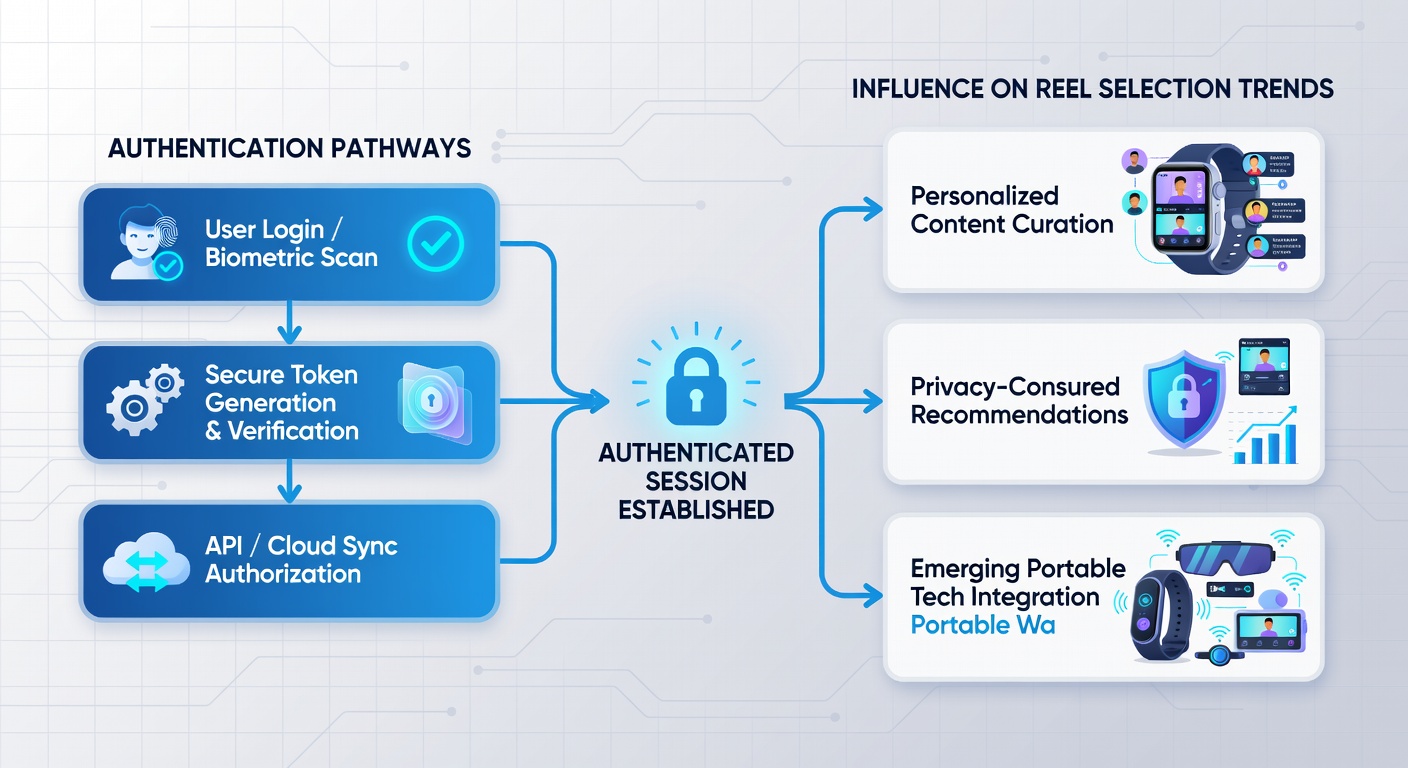
Portable wagering platforms now combine biometric identifiers, device-based tokens, and one-time passcodes to establish user identity before granting entry to game libraries. Researchers at the University of Nevada Reno documented how these layered approaches cut unauthorized access incidents by measurable margins in controlled testing environments, while simultaneously guiding players toward reels that align with their verified account profiles. Experts note that facial recognition paired with geolocation checks often precedes the display of personalized reel recommendations, creating a direct pathway from verification to content discovery.
Single sign-on integrations with external services further simplify entry points, yet they introduce variables that affect which reels surface first in user interfaces. According to figures from the Victorian Commission for Gambling and Liquor Regulation, applications employing such methods saw shifts in selection patterns where users gravitated toward titles with progressive jackpot elements after completing faster authentication flows in early 2026.
Linkages Between Verification Steps and Reel Preferences
Once authentication completes, algorithms within these applications analyze session data to prioritize reels based on historical play patterns tied to verified accounts. Observers have tracked instances where multi-factor requirements delayed access by mere seconds, yet this brief interval prompted users to default to familiar reel formats rather than exploring newer mechanics upon entry. Studies conducted through academic partnerships reveal that biometric-heavy pathways correlate with increased selections of high-volatility reels, as returning players bypass lengthy verification and proceed directly to established favorites.
What's notable is the role of regulatory compliance in shaping these trends, particularly as jurisdictions updated standards around identity confirmation in portable formats. In June 2026 several Canadian provincial frameworks expanded requirements for real-time identity matching, prompting developers to embed verification prompts that then funnel selections toward reels with built-in responsible gaming toggles. Industry data shows corresponding upticks in play duration for those specific titles following the updates.
Regional Variations and Emerging Patterns
European operators under Malta Gaming Authority oversight implemented authentication protocols that link directly to national ID databases, resulting in reel selection data that favors titles with localized themes among verified users. Australian market analyses similarly indicate that apps incorporating quick-scan document uploads steer players toward reels incorporating bonus round structures, since the verification step often coincides with tutorial prompts for those features. These geographic differences highlight how authentication design influences content exposure without altering underlying game mathematics.
Device fingerprinting adds another dimension, as platforms track hardware signatures to pre-load reel libraries tailored to verified devices. Those who've examined session logs across multiple applications report that users on newer hardware models encounter reel options weighted toward immersive 3D formats after passing initial checks, whereas older devices surface more traditional reel grids. This segmentation emerges naturally from the authentication sequence rather than explicit user choice.
Impact on User Engagement Metrics
Longer authentication sequences sometimes lead to higher abandonment before reel selection occurs, yet surviving sessions demonstrate concentrated activity on a narrower set of titles. Research partnerships between universities and platform providers have quantified this effect, showing that each additional verification layer beyond the first reduces the diversity of reels explored within the initial five minutes of access. Conversely, applications that unify verification across multiple titles encourage broader sampling once users reach the selection stage.
Portable applications released or updated around mid-2026 incorporated adaptive authentication that scales based on risk signals, and this flexibility appears to sustain reel selection momentum for players who clear checks rapidly. Figures from regulatory filings reveal steady growth in mobile reel engagement metrics coinciding with these adaptive systems, particularly in markets where operators publish aggregated play data.
Conclusion
Authentication pathways continue to serve as gatekeepers that filter reel selection opportunities in portable wagering applications, with their design elements producing measurable effects on which titles gain traction among verified users. Regulatory bodies across regions enforce standards that shape these pathways, while platform developers respond by aligning verification steps with content delivery mechanisms. Data collected through academic and industry channels demonstrates consistent patterns linking verification efficiency to reel preferences, and these connections are expected to deepen as portable systems incorporate further refinements in the months ahead.